This page was translated by AI. Please be forgiving of any mistakes.
‹ Photo Notes · 11 září, 2018
When buying a mobile phone I was never much interested in what camera it has. For shooting I have a real camera; I want the phone mainly for calling and the internet…
25 years ago we only knew mobile phones from American films, 15 years ago button Nokias ruled and nobody thought about photographing with a phone at all. Some phones did have a camera by then, but they were completely unusable.
… for shooting I have a real camera … but you know how it is. The best camera is the one you have with you. So you reach into your pocket and …
The first phone I started using more often for shooting was the HTC Sensation. In 2011, just seven years ago, it was the flagship of that brand. It had an 8 MP camera and even FullHD video. More than I need from a phone. For shooting I have….
The camera’s parameters weren’t a decisive factor then, but they were a pleasure. And the ads earnestly promised (just like today) that I’d fall off my chair at the photos. Well, I didn’t. Outdoors in strong light the photos looked good at first glance, but if nothing else, compression killed them. When there was only slightly less light, the phone was unusable for photography. Instead of photos, noisy smudge.
Since then I’ve had several phones, and actually until now I always considered other things more than the camera. Not that I overlooked its parameters; I just didn’t give them such weight.

I have a real camera, after all
Except that I don’t have it with me all the time, and often I do have it with me, but it’s in a bag or backpack; even on holiday I don’t carry it around my neck constantly.
I still use and will keep using a camera for work, but most of my other photos are from the phone. Even if they’re still not as good as from a camera.
Ads still shout that we’ve never seen such photos from a phone. A resolution of 12 megapixels no longer impresses anyone (that’s what my current phone has), the standard is gradually moving to 24 MP (that’s what my real camera has), and at 40 MP on the Huawei P20 Pro some are already asking whether that isn’t too much. Especially with such a small sensor and lens.
But it’s not only about resolution. After all, the current most expensive Samsung and iPhone models have „only“ 12 MP. And they shoot well. Dual lenses, or rather dual cameras, sometimes on both the front and back of the phone, are becoming a hit with some manufacturers. They help, for example, with better quality when zooming, but also in poorer lighting, rendering highlights and shadows at the same time and so on. The mentioned Huawei P20 Pro even uses three lenses/cameras and has Leica written next to them. Elsewhere you can see Zeiss, for instance.

Relatively recently manufacturers realized that the selfie camera isn’t only for video chat; Instagram and Facebook may deserve credit for these little cameras jumping from an embarrassing VGA resolution to a level similar to the main cameras.
As for video, we start to turn up our noses when a phone shoots only FullHD and not 4K (ideally of course at 60 frames per second). In the specifications we learn to look for whether it has optical or at least electronic stabilization.
In artificial intelligence, processing algorithms and the fun factor, phone makers outdo each other more than camera makers do.
And hand on heart, there are more and more situations when a photographer (even a professional) adds phone photos to those real photos from a real camera.
Is there still a reason to buy expensive cameras? Even the most expensive phone costs me less than a good camera with one good lens.
Are the boundaries blurring?
I don’t think the boundaries are blurring. They are rather coming markedly closer. Real cameras with maximally refined lens optics are, and probably always will be, better than cameras built into the body of mobile phones.
But what is the most common use of photographs today? Facebook and Instagram, possibly blogs and other similar platforms. Very few people print photos. Why would they, when instead of paper photos we have our pictures with us on the display of the phone. When we want to give them to someone, we send them over bluetooth or Whatsapp. When there are many, through the cloud.
And with this prevailing way of using photographs, phones clearly have the upper hand. We always have them at hand and within a minute we can publish a photo or pass it on to a friend.
Will the classic camera survive, then?
Note: given how many years digital cameras have been the standard, I allow myself to use the word classic for digital cameras, knowing that until recently only film devices were called that.
I dare say yes. Not only are they still in a different league in quality, they offer the photographer incomparable comfort of work and truly maximum control. A wide open aperture is a wide open aperture, not some algorithm for blurring the background. Professional output in professional formats. The option of changing lenses. And so on. The differences are incredibly many.
I can imagine that the market for compact cameras will gradually vanish. Recently I held a compact in my hand after years. It was dust-proof and waterproof, but it made worse photos and video than my phone. And dust-proof and waterproof or at least splash-proof phones are starting to appear on the market. And they shoot better and better.
The mid-range and professional camera lines won’t disappear. They’ll probably change; it won’t be that fast, but maybe in 10 or 20 years cameras will look and work completely differently. And I don’t know how. They will certainly have a direct connection to the internet and most likely to popular social networks. Some already do. Fully automated saving to a PC or to the cloud will probably appear in time; we already partly use that function too. I sincerely hope a little that they won’t be able to make phone calls and search Google. But they’ll probably pull new firmware automatically, and GPS will be completely standard. Beyond that I can’t tell. After all, did we imagine 25 years ago what technology we’d be carrying in our pockets today?
I think cameras will continue to be bought by a similar sort of people as today. Enthusiasts and professionals. Perhaps fewer of them, but as long as there is interest, development will continue. It is clear, though, that manufacturers will have to count more and more not only with competing brands but also with the mobile phone market.
If phones didn’t matter, DxO wouldn’t dedicate a whole category to them.
There is one more difference
Every camera maker offers a wide range of models and gradually replaces them. In practice a particular model is replaced roughly every three years. The phone market is so large, though, that a single brand can launch two flagships within one year and the very next year come again with a new model.
I’m a bit conservative, and if I’m satisfied with my current model, I’m not overcome by a shopping frenzy every time a new model appears. My current phone (Honor 8) was the brand’s flagship two years ago; today it’s version 10. And to this day I care more about the comfort of using the phone than about its camera’s parameters. It’s true, though, that I shoot more and more with the phone and my thinking has gradually changed. I’m more interested in the results of the camera (and video). Mine finally shoots quite decently; two years ago it definitely belonged among the better ones on the market, and by today’s top standards it obviously doesn’t. For now it suits me, but because image-making is what drives me, it’s quite possible that when choosing my next phone I’ll focus primarily on maximum image quality.
The phone will still be a supplementary tool for me, though; I certainly won’t put down my real camera. Certainly? Certainly not for a long time yet 🙂
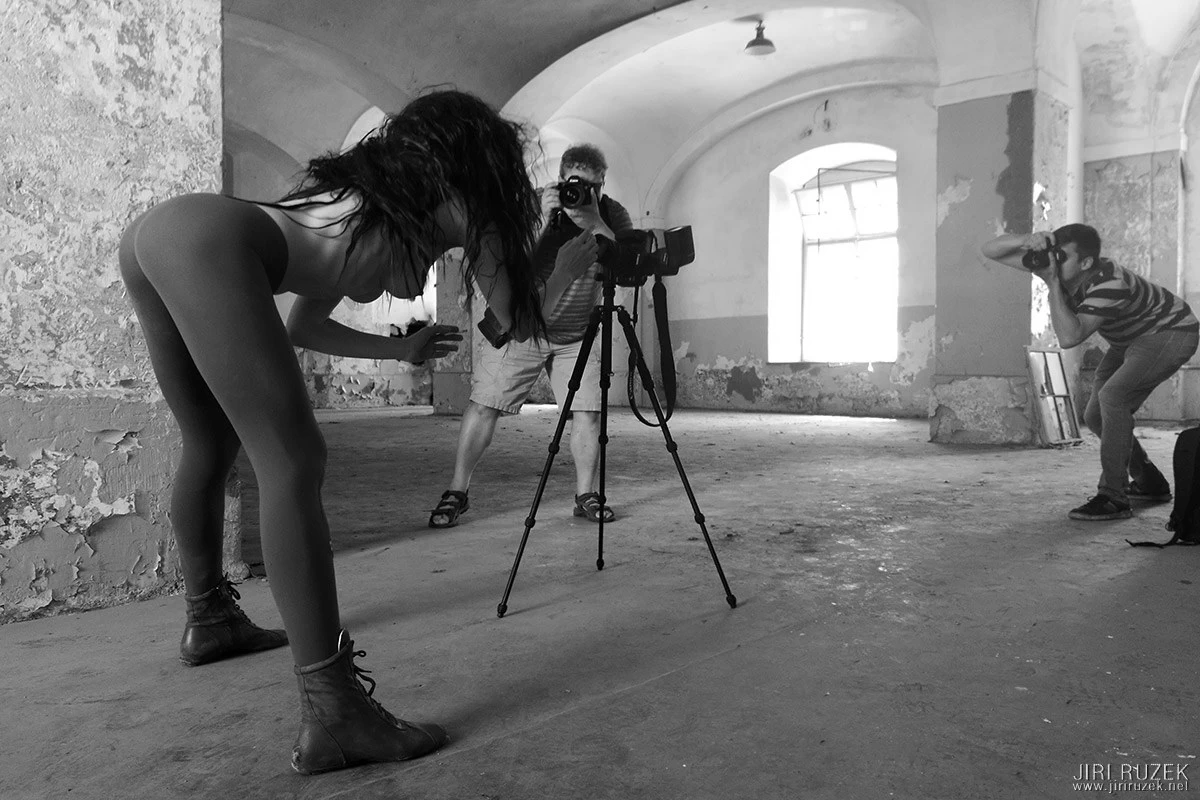
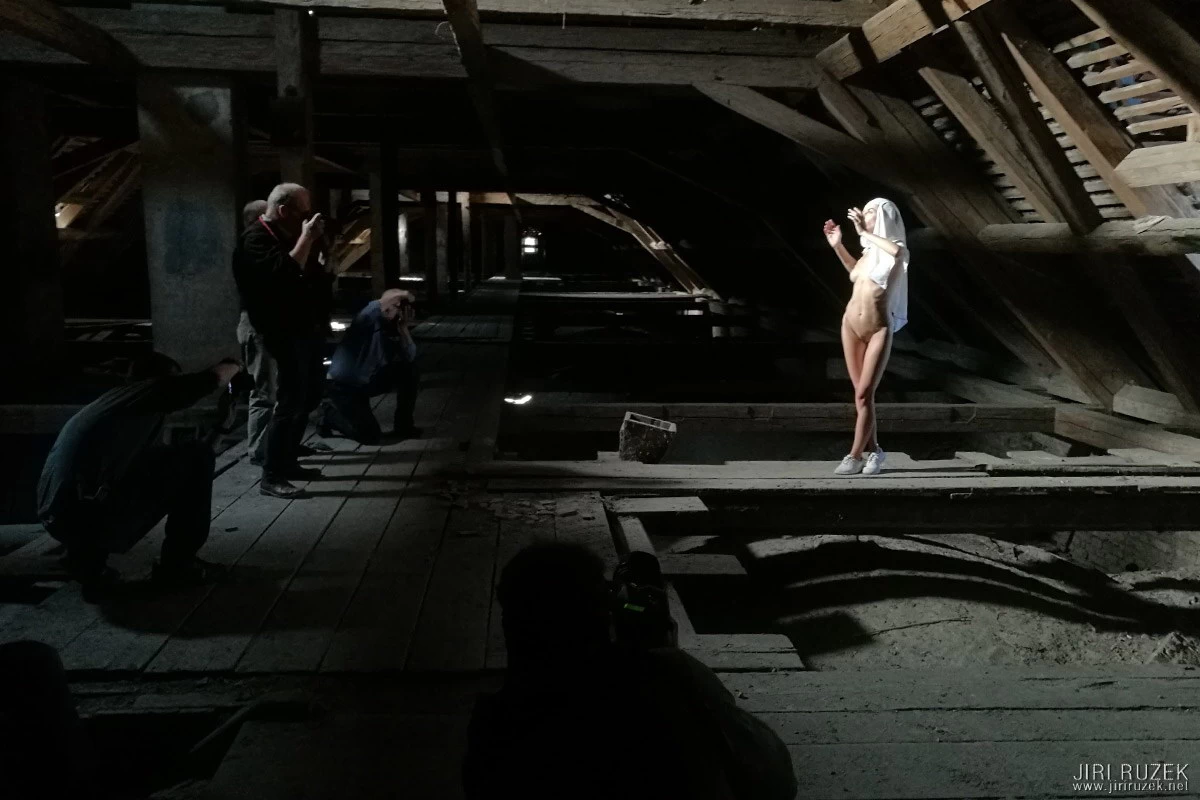
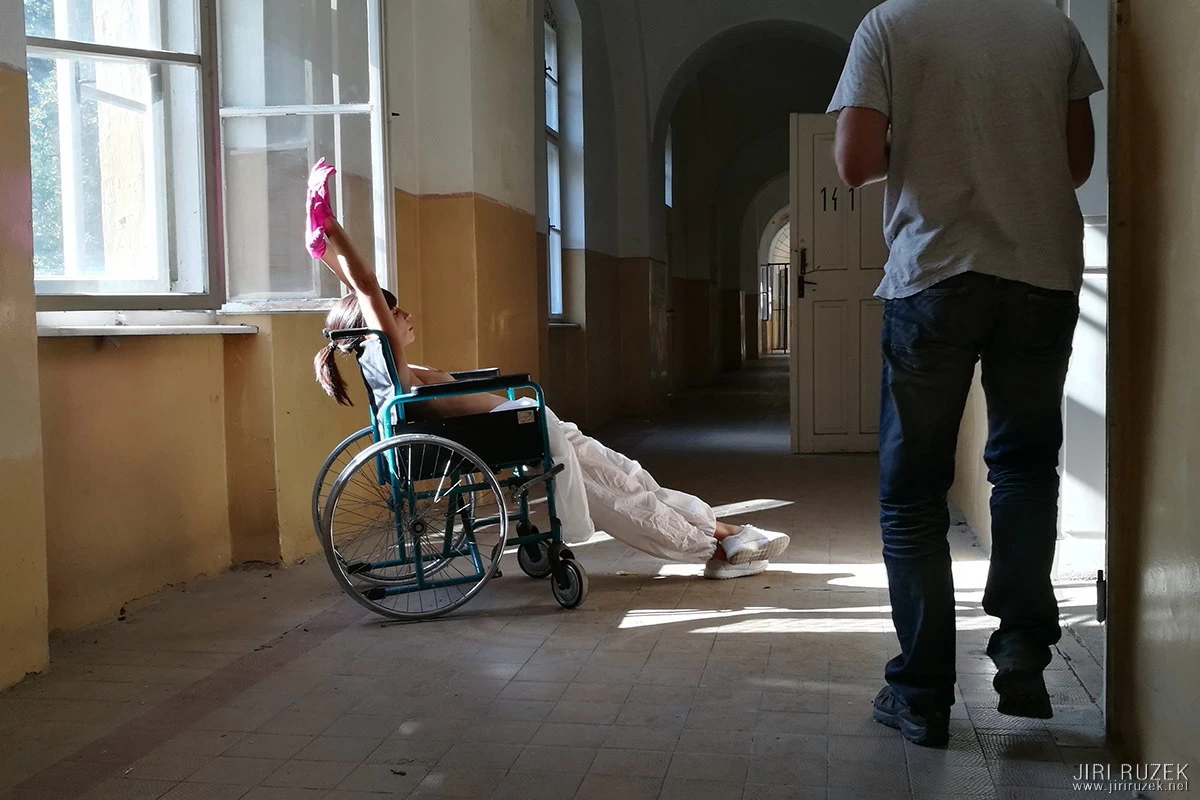
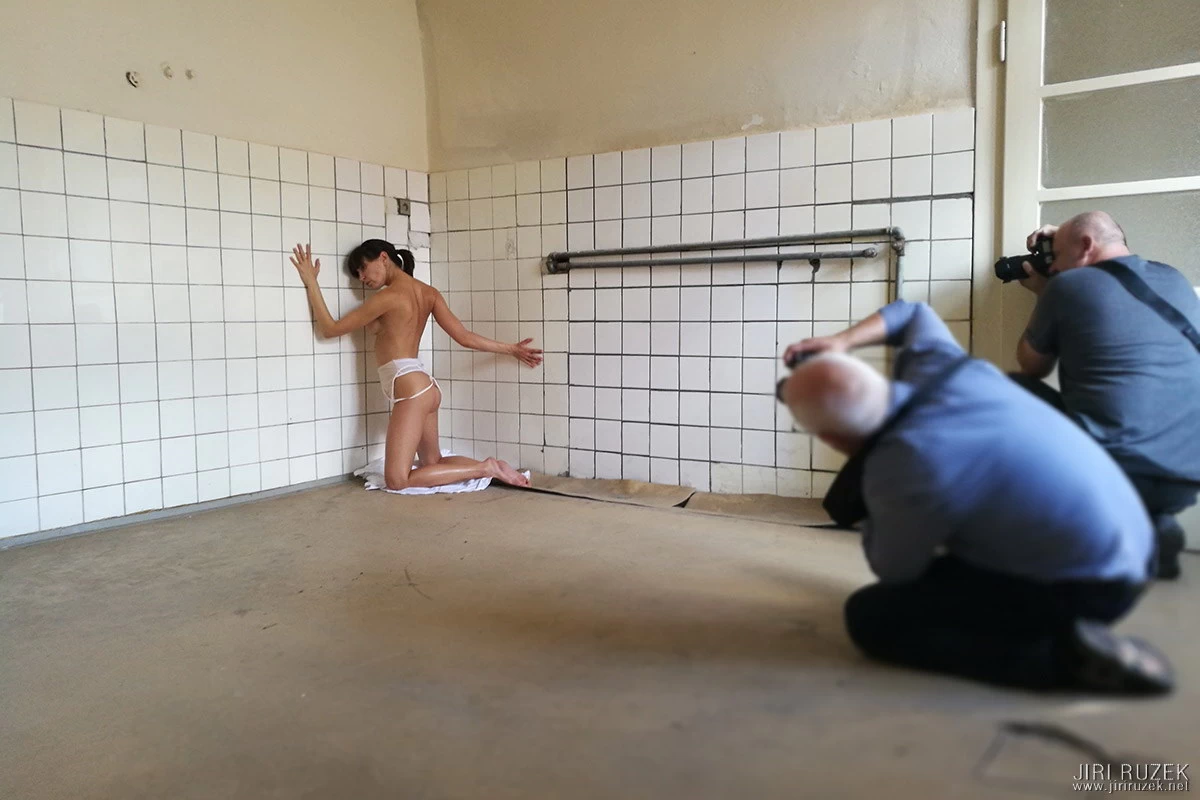
All photographs were taken as backstage at my workshops and are unedited, only cropped and resized, with no sharpening or other effects or interventions. The black and white photographs are from a Huawei P9, the colour ones from an Honor 8.