This page was translated by AI. Please be forgiving of any mistakes.
‹ Photo Notes · 6 června, 2014

The quality and character of lenses are judged by sharpness in the centre and corners, distortion, vignetting, aberration etc. And then we have bokeh, for many photographers a word used much as wine lovers speak of a bouquet. We know beautiful, full, calm, soft, creamy, pleasant, swirling, starry, circular bokeh, but also nervous, unpleasant, disturbing or ugly. The reality? Bokeh is what is blurred outside the depth of field.
Bokeh, its quality and character, truly influences the overall impression of a photograph; it can elevate it and kill it. That’s why photographers often evaluate bokeh and determine the popularity of individual lenses by it. The very best are called bokeh monsters.
Bokeh Monster
Bokeh monster is a general term for lenses providing exceptionally good or interesting bokeh. As a rule you won’t find short-focal-length lenses among them (thanks to optical properties they have too large a depth of field); among bokeh monsters lenses with a focal length over 50 mm are usually ranked, and most often you’ll find this label at focal lengths 85, 100, 135, 180 and 200 – that is, those lenses that can be used for portrait photography and for sharply setting off a person against a blurred background.
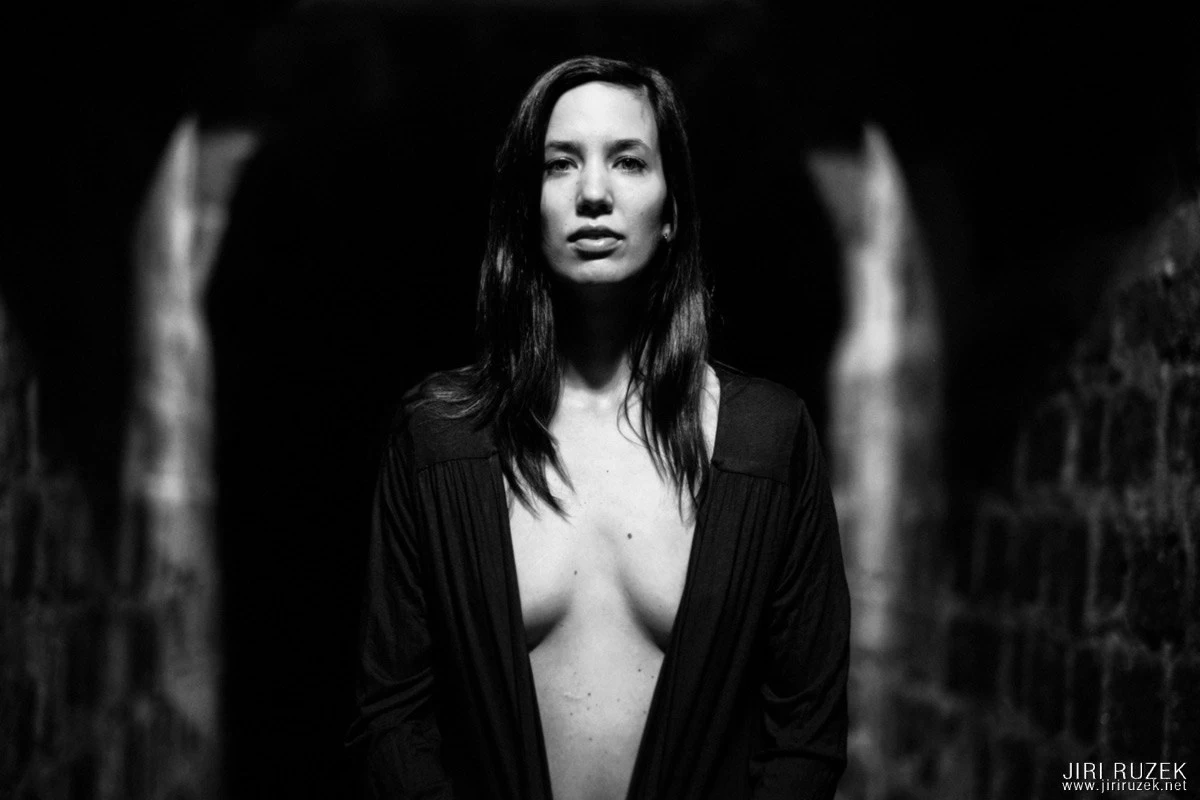
Why isn’t every bokeh the same?
It is mostly claimed that bokeh is influenced by the aperture, the number of blades and their shape. Collectors therefore prefer lenses with 12, 15 or 20 blades over a 6-blade aperture; others, on the contrary, reach for an aperture with fewer blades but an interesting aperture shape when slightly or more strongly stopped down. But the lens elements themselves, and of course mounted filters, bear blame or credit too.
Take photos, not bokeh!
Before I continue, look at the following photos, then you’ll gradually understand…
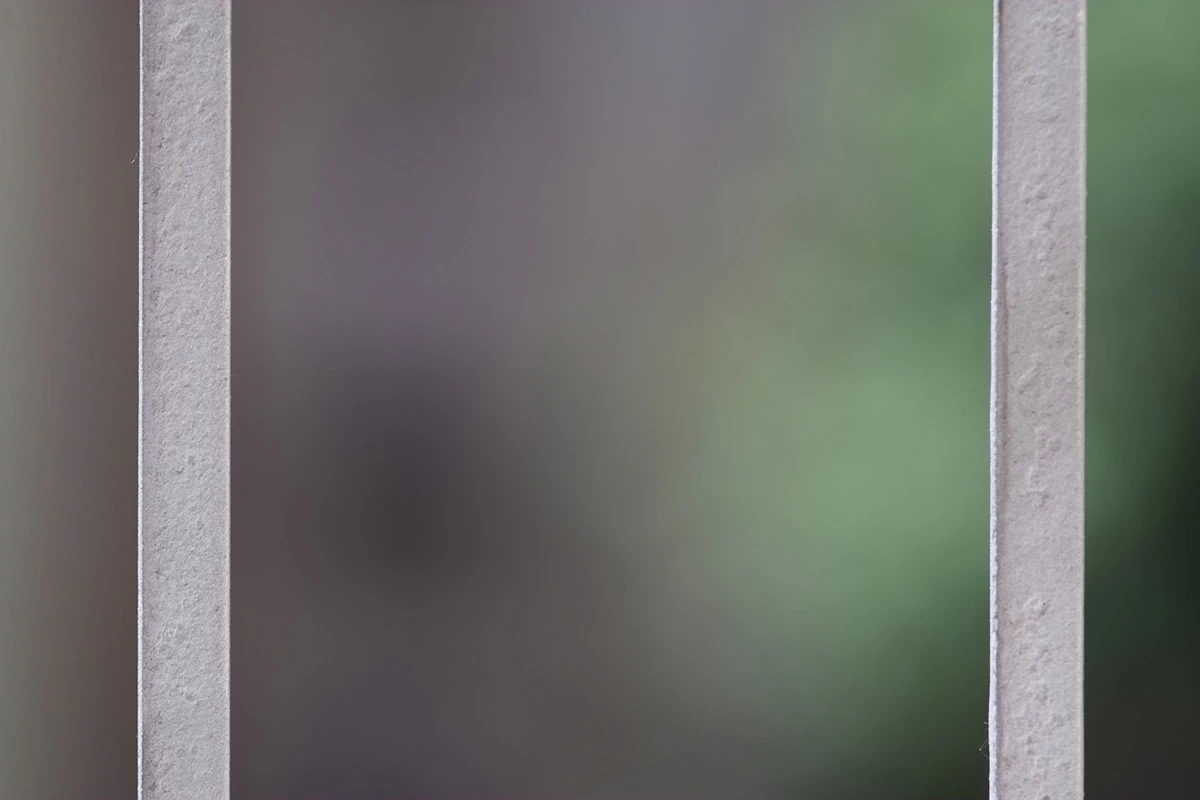
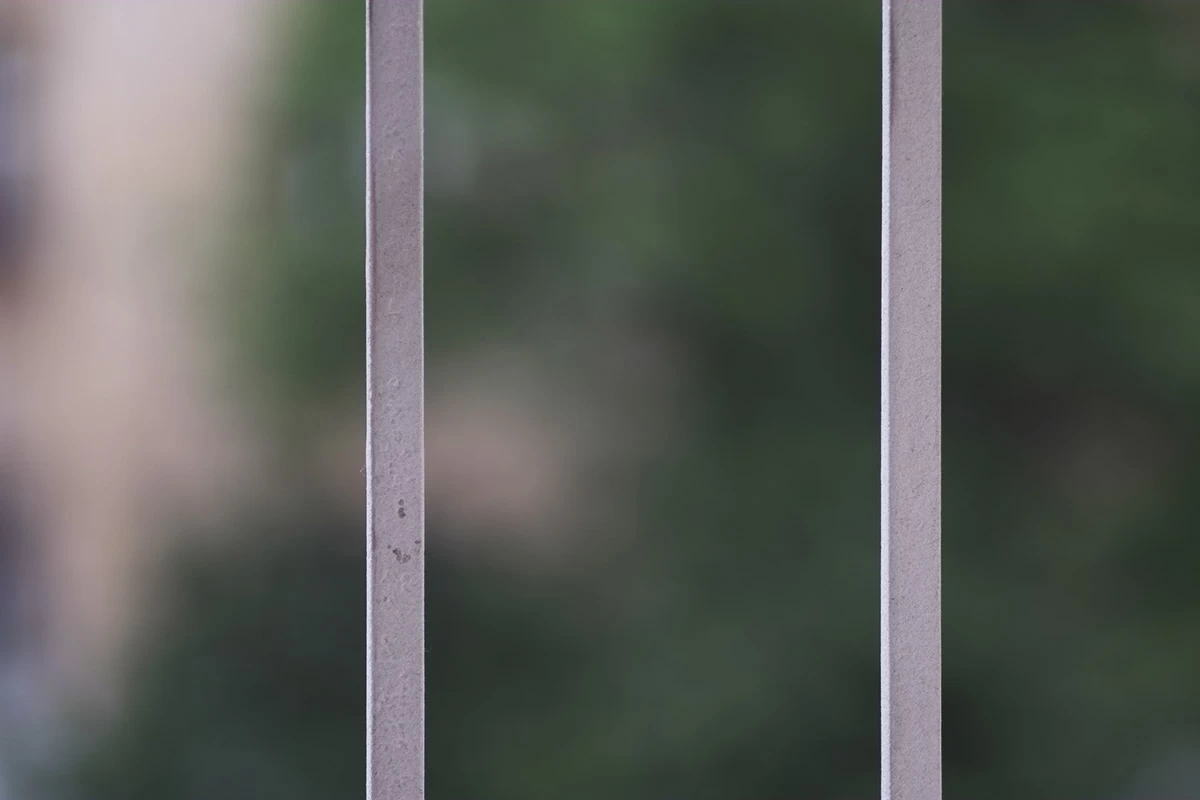
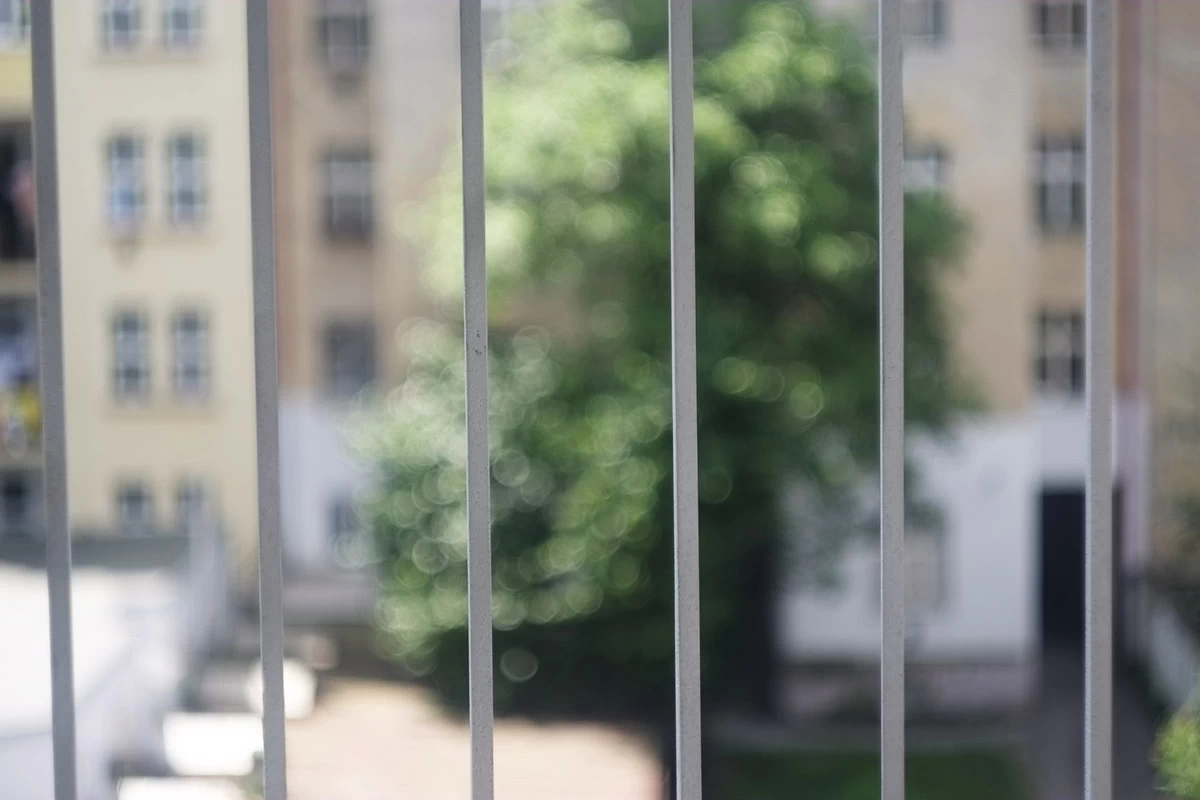
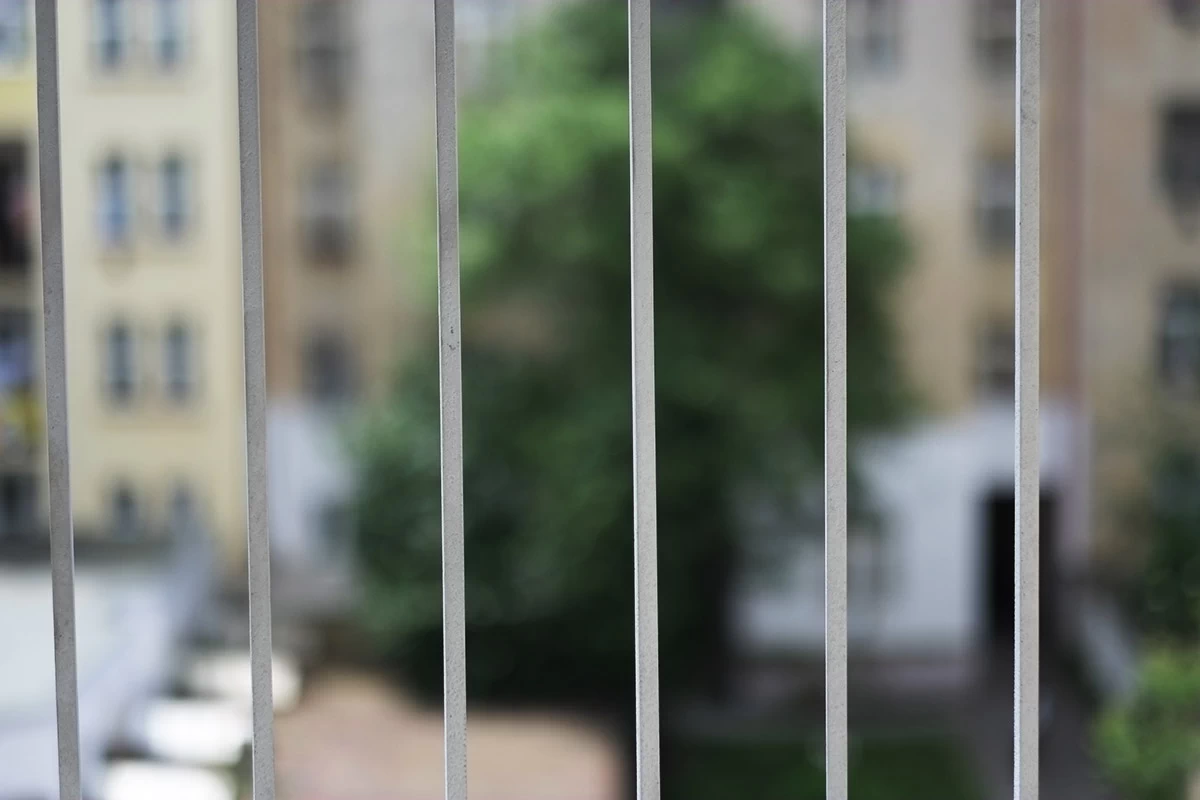
That’s boring, isn’t it? 🙂
Whenever I’m choosing a lens or want to get an idea of how it shoots, I search Google images using the search phrase „Helios 40 sample photos“ – always changing only the name of the lens. And whenever it concerns a so-called bokeh monster, among the search results I find a few portraits and lots of twigs, little flowers or blades of grass, in short photos where it is evident at first sight that they were shot only to show what bokeh they have. In an article with a lens review that’s fine, but otherwise photographing bokeh is stupid and boring. Bokeh should help a photo, but there is no point in it being its main content. That’s like photographing, say, sharpness in the corners, and in the photo there is nothing interesting except the fact that it has sharp corners.
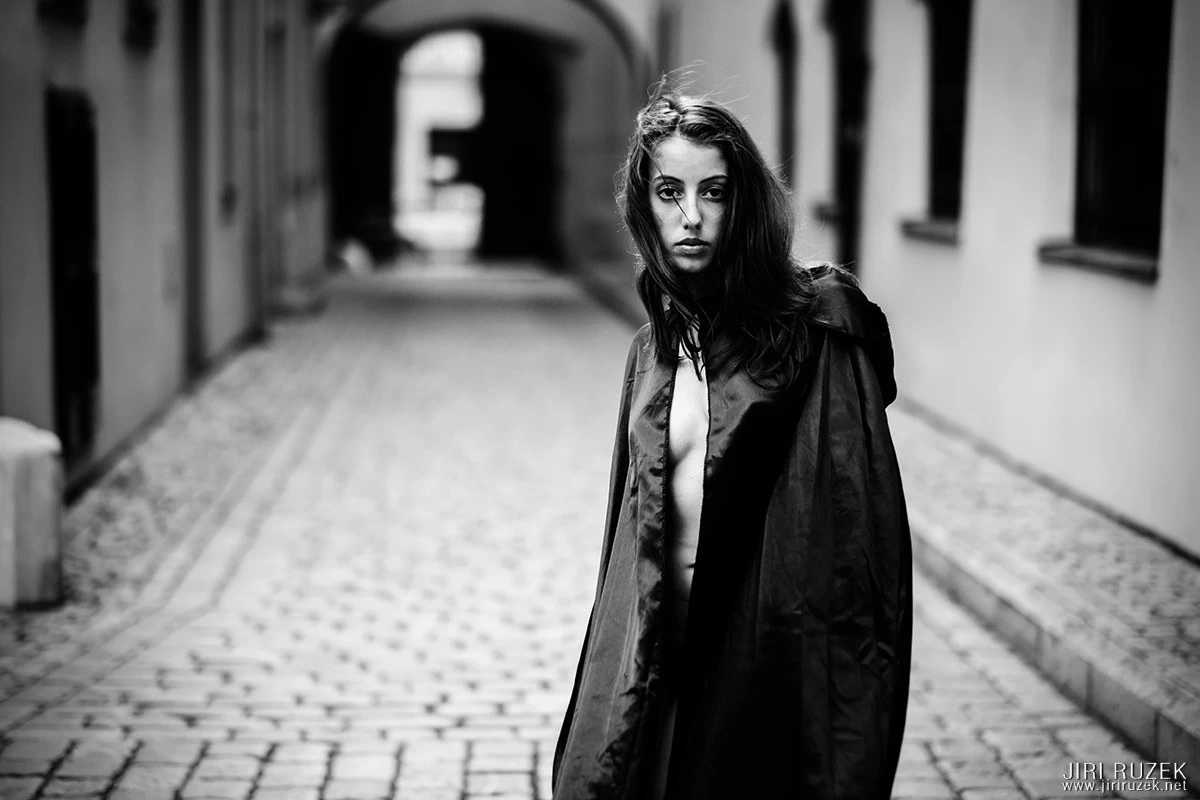
Why am I writing this and how did I come to it?
I own 4 lenses called bokeh monsters. And believe it or not, the first thing I photographed with them was of course bokeh 🙂
A nice weekend to all 🙂
Visit the next nude photography workshop