This page was translated by AI. Please be forgiving of any mistakes.
‹ Photo Notes · 15 ledna, 2012
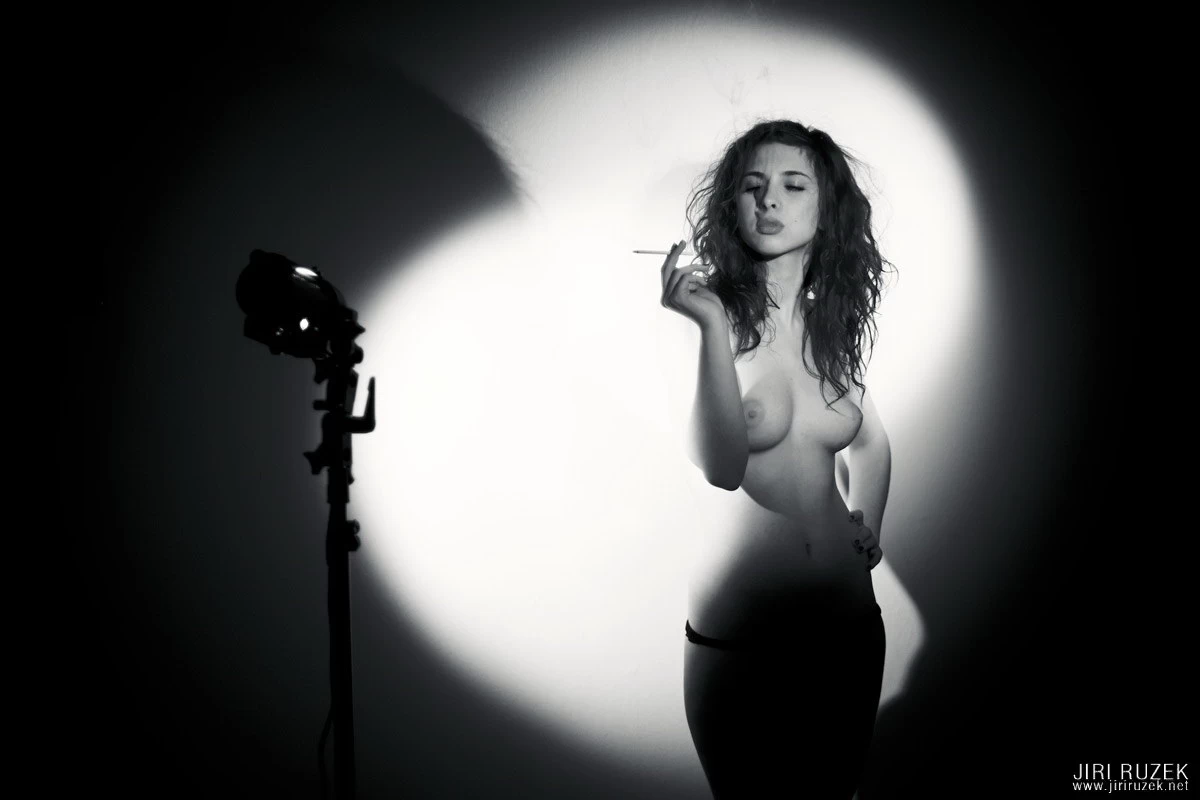
The dream of most beginning photographers of nudes, portraits or fashion is to have their own studio with an infinite white background, strobe lights and softboxes. For most of them, though, such a studio is unattainable for many reasons, mostly money, space or the tolerance of a wife or girlfriend.
But the worm gnaws, and the photographer starts to invent, tinker and rig up his first home studio. Of course I went through this too, and in the following lines I’ll describe how I set out for light and ended up with shadow.
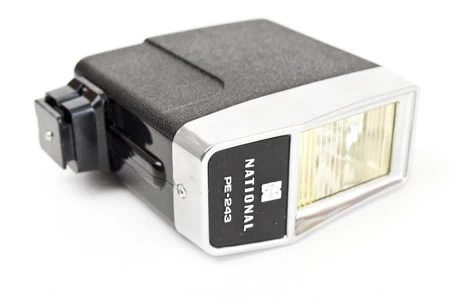 My first flash light was an old manual National flash and a white advertising umbrella with a fox in the logo. Both pieces were permanently taped to a tripod, a photo-cell trigger was connected to the flash, reacting to the light from a second flash that sat on the camera and fired into the ceiling or the side walls.
I built several such flashers, hung reflective mylar foils on the walls and finally had my studio.
The result of this effort was light. Everywhere. Without a single shadow. In a small white room the system of these lights was uncontrollable and the light poured literally from all sides. Still, I held out with this kind of lighting for about two and a half years before I decided to buy „real“ studio flash lights.
Of course, I managed a not very clever intermediate step when I bought a cheap studio set from China on eBay. The set contained two flash lights, tripods, umbrellas, a softbox, a reflector, a big bag for all the equipment and maybe other things. Pure fantasy, don’t buy it for less than the price of a single flash light in Czech shops. The first of the lights burned out after about two hours of operation. And when I say burned, I mean it literally; smoke and the toxic smell of burning plastic filled the room. I paid 250 CZK for postage and sent the light back to Shanghai for a claim. Before it came back after about 6 weeks, the second one burned out (I should add that the repaired one still worked after a few years, when I gave it away as a bonus with another flash I sold, and that the total value of the other things from that set, which still work today, exceeded the price I would have spent on similar things in the Czech Republic, so I didn’t lose anything). At that moment it dawned on me that I really am not rich enough to buy cheap things, and I bought, this time in a Czech shop, my first truly real flash light (made, by the way and of course like everything, in China) the Photon Pioneer 300.
For some time I enjoyed the comfortable feeling of shooting with softboxes, but all of it was professional, yet about nothing. The light was boring, and as a result the softboxes soon began to gather dust in a corner and were replaced by an ordinary „pot“ or a honeycomb grid, which gave much more dramatic light and above all shadows.
In autumn 2009 my friend and colleague František Oplatka showed me a novelty he had just acquired – it was the Dedolight continuous light (more about it in a separate article) and I knew at once that this was exactly what I had been looking for all along. This funny and overpriced little lamp provided fantastically contrasty, aggressive and dramatic point light with a perfectly sharp shadow (imagine the midday sun in Florida condensed into a spotlight), and in my photographs I eventually began to choose light in favour of these beautiful shadows.
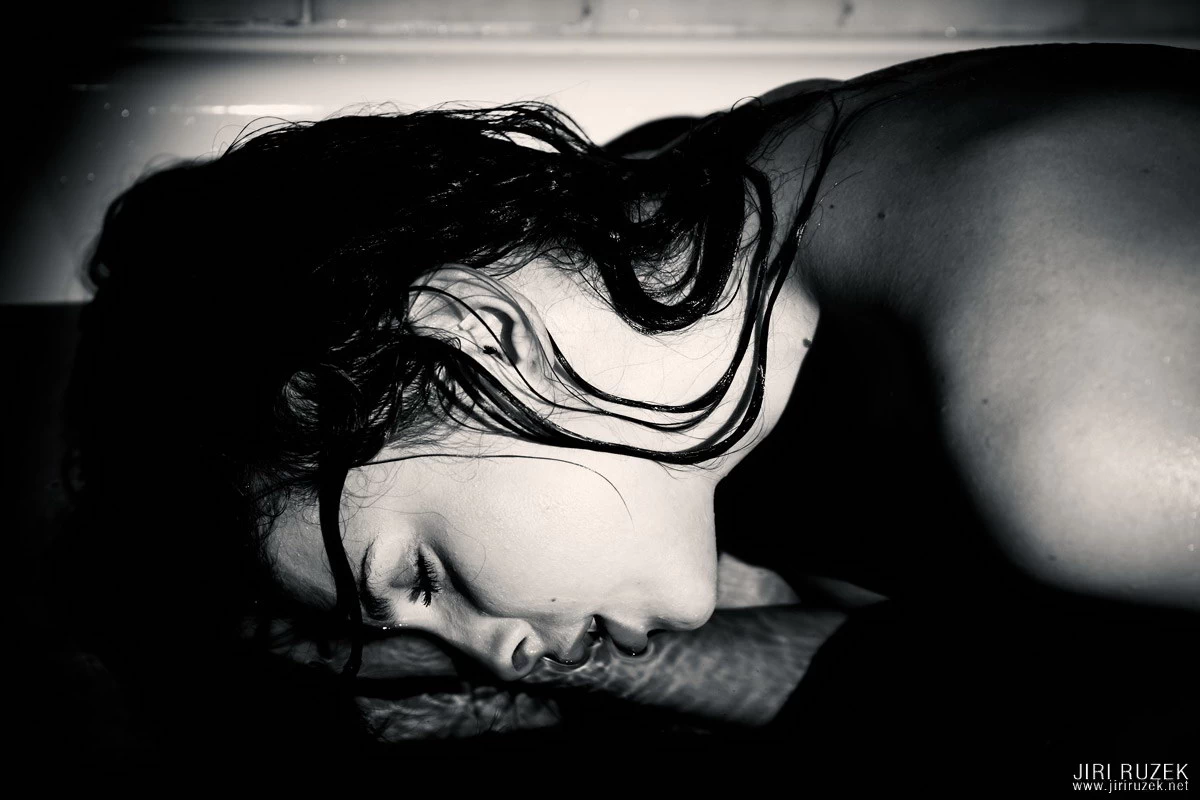
„In nature things shine only when the gods are pissed off.„ … Robert Vano
I sold everything that glittered in any way and committed permanently to continuous light sources. So as not to remain bound to the very typical Dedolight lighting, I also acquired beautifully soft continuous lights running on energy-saving bulbs with a temperature of 5500 Kelvin, which also lets me combine them without a problem with daylight.
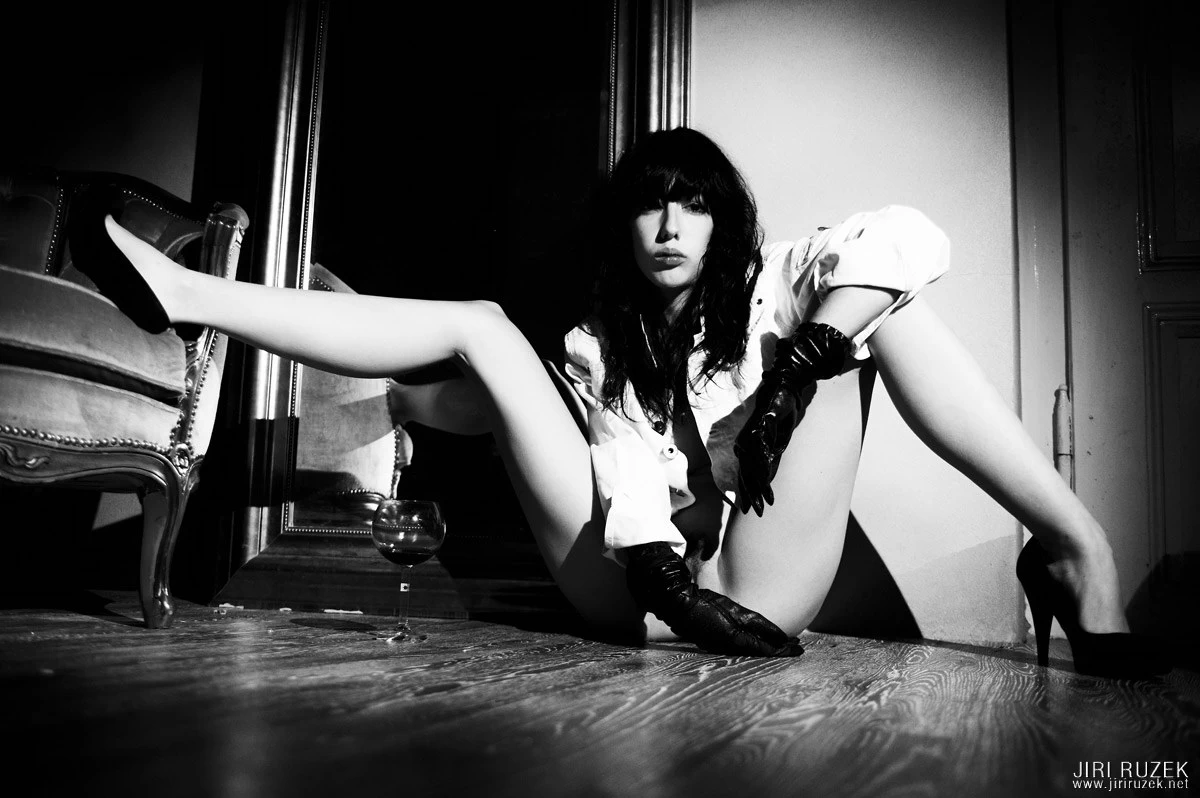
It was the same with my view of the infinite white background in the studio. Such a studio is boring and unnatural; if I want something different, I have to use the environment around me, after all I don’t want to simulate emptiness. I identify completely and without reservation with the following opinion, and if he hadn’t said it, I would certainly have said it myself:
„I don’t like white paper backgrounds. A woman doesn’t live in front of white paper.
She lives on the street, in a car, in a hotel room.„ … Helmut Newton
In conclusion?
I would change the popular photographers‘ greeting „good light“ to „enough light and good shadows„, because shadows are what makes a photograph interesting for me, what gives it atmosphere, life.
Explore and play with shadows at least as much as with light; darkness can be beautiful, mysterious, thought-provoking, sexy and interesting, and so on.
P.S. I only hope nobody interprets my last words in a pious way, although I think that even there they would hold without exception, but that is a different topic.