This page was translated by AI. Please be forgiving of any mistakes.
‹ Photo Notes · 11 března, 2015
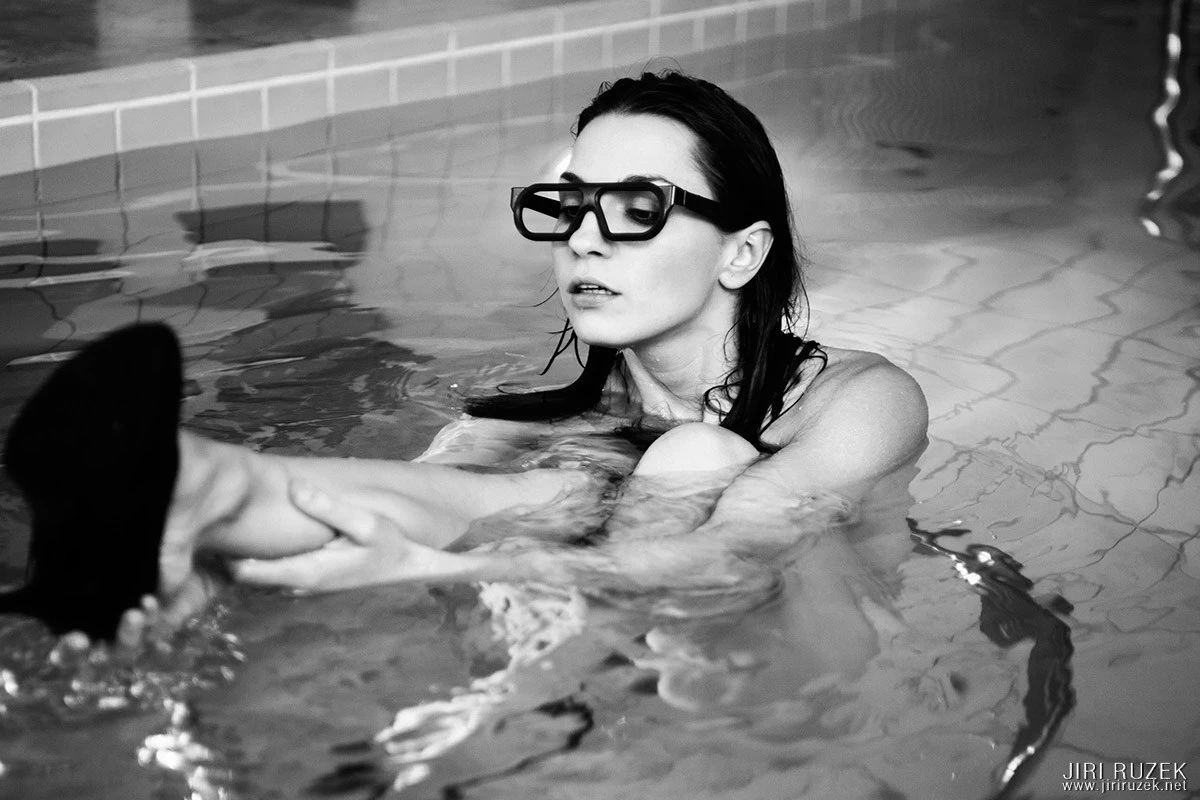
Photography textbooks and most photo courses teach us how to create perfect photographs by established rules, perfect copies of the photographed scene. But is it the only possible way?
Looking at photography as a suitable means of making a visual document, that’s fine; the original task of painting and sculpture was probably the same. The original mission of architecture was also to provide a stable, waterproof roof over one’s head, nothing more.
But what if Picasso, Dalí or Matisse had painted by proven rules? With great probability we wouldn’t know them today. And by whose rules would they actually have painted? By those that arose on the basis of the works of Raphael, Da Vinci, Michelangelo? After all, they too changed established standards and moved the fine arts further.
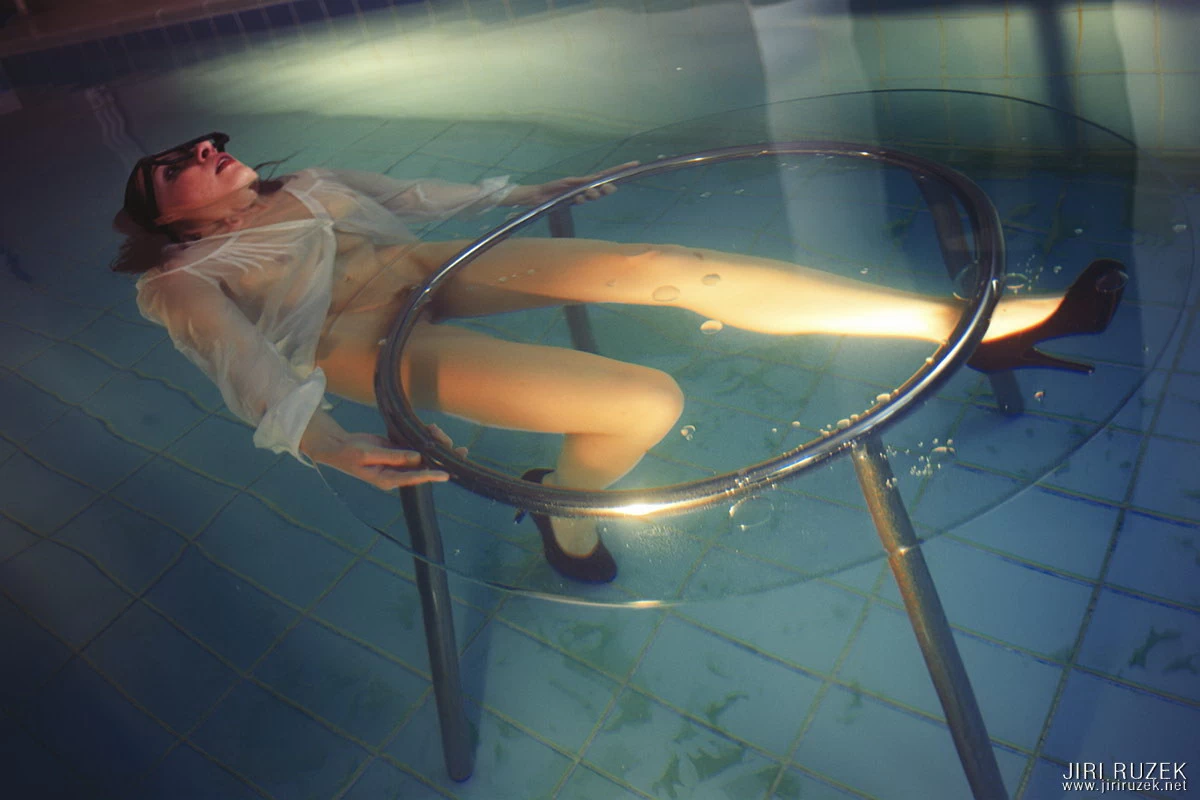
Moving the rules means looking for new things, new means of expression, opening the door to progress. Without this constant progress there would be no Baroque, Renaissance, Gothic or even antiquity; everything arose by departing from the good old rules.
We’d be dressing in practical leather and canvas; fashion wouldn’t exist.
We see incredible development in music; it’s enough to recall the last few decades. In the fifties Elvis Presley began to sing in a way entirely unusual for the time. In the sixties the Beatles and the Rolling Stones pushed it even further. Jimi Hendrix began to play guitar differently than was customary. At the end of the eighties the first recordings of the band Lucie appeared. David Koller’s singing and his un-Czech handling of accent and lyrics were a textbook example of what at that time was considered gross mistakes in songwriting and singing. After more than 25 years every other singer sings in a similar way. But somebody had to break the rules to show further possibilities.
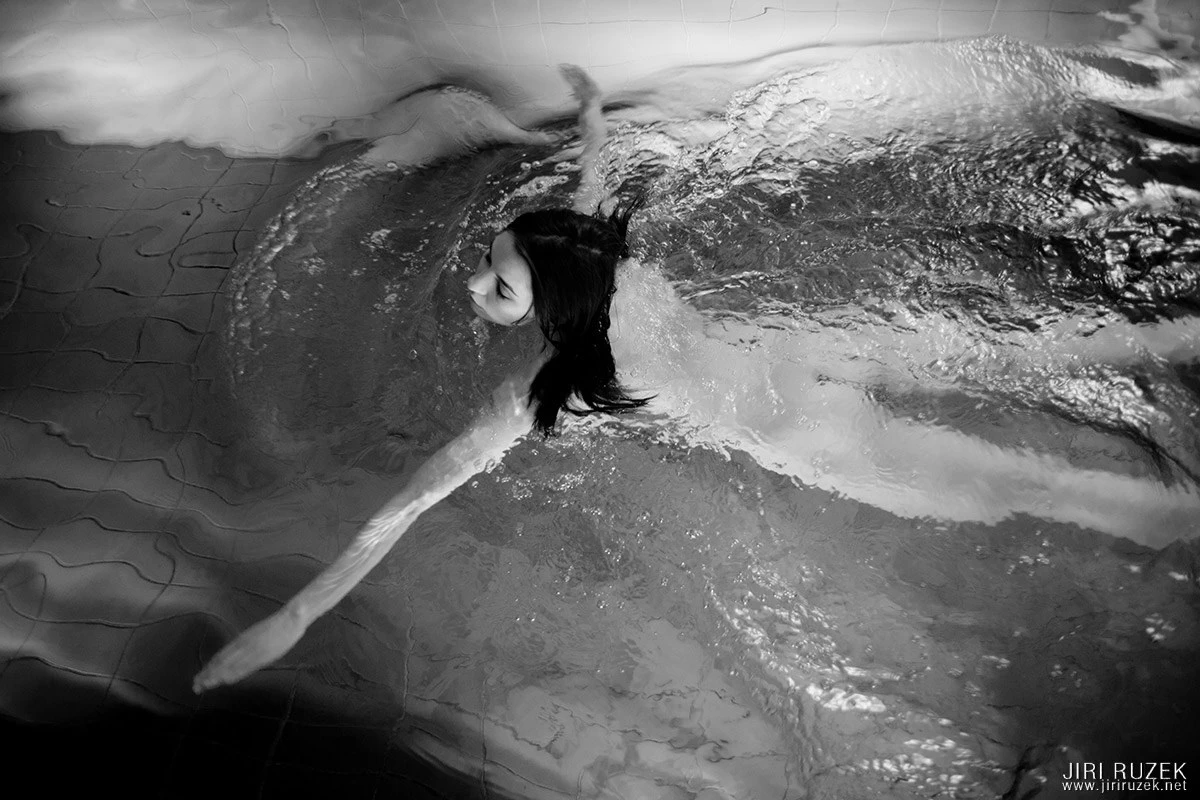
Photography is still a very young field, but that doesn’t mean it has to stand still. And it doesn’t stand still. An example can be Jan Saudek with his unique style, or for instance Terry Richardson, who deliberately shoots in the most amateurish way we can imagine. They departed from the rules and both have a long line of imitators. Whether we like their work or not, we must respect this fact.
Rendering in shadows and highlights, sharpness, harmonious composition and cropping, soft light pattern such-and-such… above all no blown highlights, reflections, fingerprints, strange colours… Beware of anything that would stand out from the aesthetic norm. A norm that was set fifty, eighty, a hundred years ago, by which people are still taught to this day, and we willingly accept it, even demand it. Nothing against it, but let’s not take it as dogma. By breaking conventional procedures we can give a photo action, drama, a story, something extra…
If we can welcome new directions in music, there is no reason to be so strictly conservative in photography. Let us allow ourselves the comfort of free artistic expression. That we’ll earn criticism for it? Yes, mostly from those who haven’t moved anywhere in a hundred years and won’t.
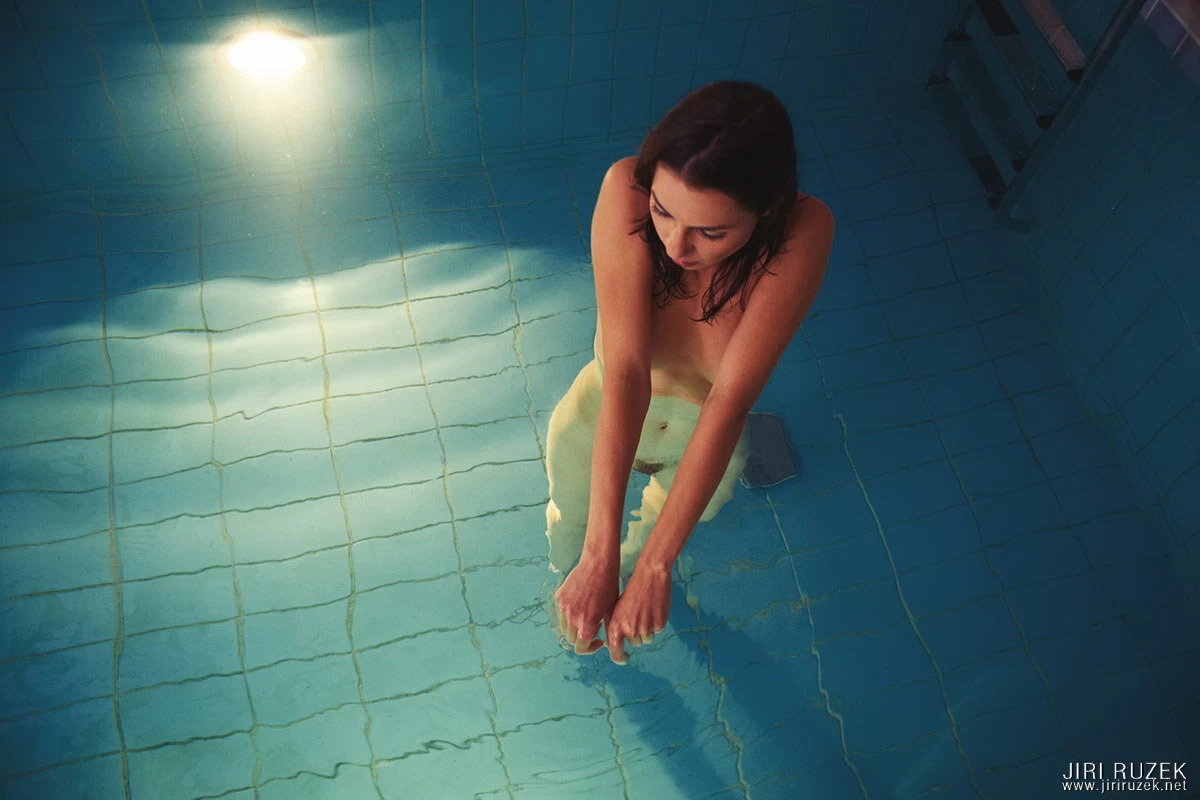
Finally two of many anecdotes. At one exhibition somebody pointed to my photo with the words „here you forgot to retouch fingerprints“. I told him they hadn’t been there originally, that I had painted them in in Photoshop. The second memory is from around 1995, when I photographed a model against the sun. I deliberately stopped the aperture down a lot to get a dramatically rendered sky with a black silhouette in the foreground. In the lab they then handed me a hopelessly blacked-out photo and said I should know they’d tried brightening like mad, but the girl isn’t visible at all anyway. As a bonus they added a few tips on exposing…
Freedom of artistic expression is also one of the main themes of our photo workshops.
Spring is already knocking at the door, so have a lovely day 🙂
The photographs used are from the series The Waves.