This page was translated by AI. Please be forgiving of any mistakes.
‹ Photo Notes · 3 března, 2013
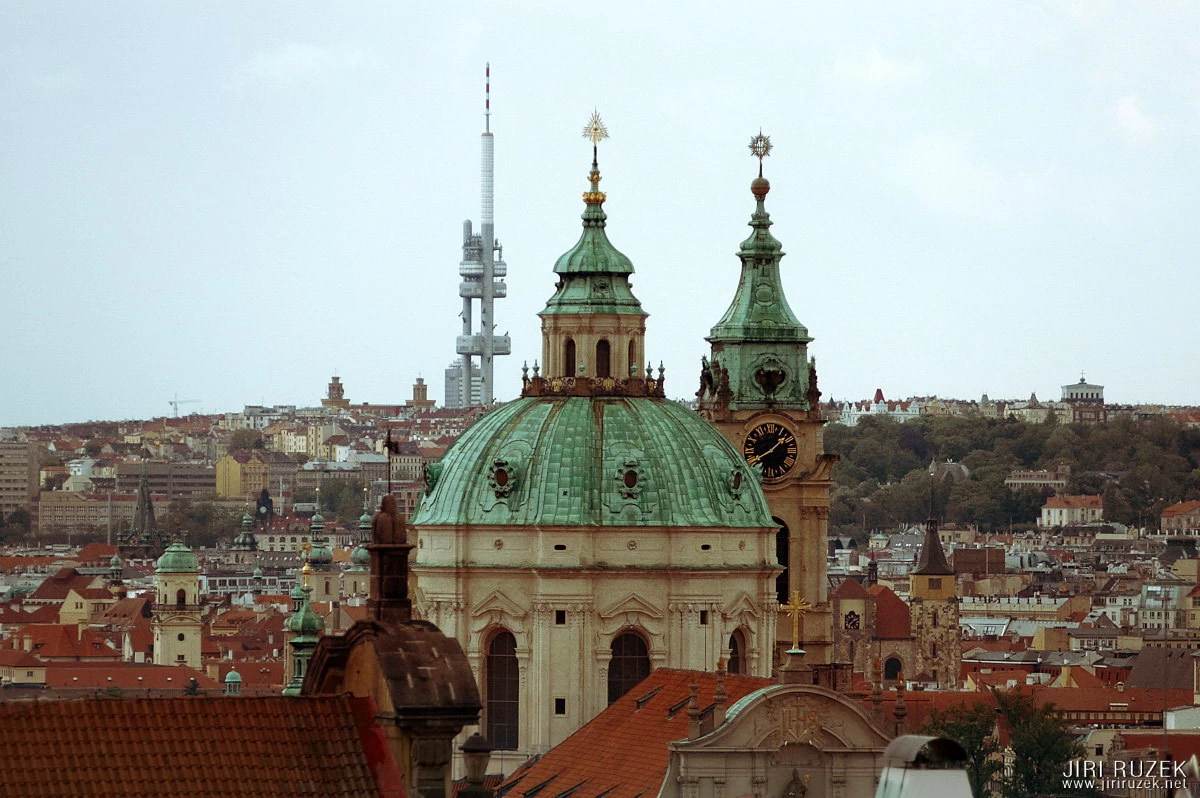
Just like the past generations, which we gladly criticized for it, we too have got used to saying „it was better in the old days„. We grumble and complain about corruption and the low moral level of the representatives of our country – just like all our close ones and even the most distant neighbours. On the other hand, we celebrate heroes who dare to say their opinion and disagreement aloud. Does the world really change that much?
When I leaf through books on the history of our country and our ancestors, I repeatedly find that it doesn’t matter whether I stick a finger 200 or 500 years back into the past; everywhere I find the same traits of behaviour and morals in the highest posts of the land. Representatives of the Czech aristocracy, both before and after the White Mountain, always liked to lend money and provide various pious services to their kings and, to be safe, also to foreign kings and other important people in the country. Because the money was mostly not returned, what was returned were services and the monarch’s willingness to turn a blind eye now and then. Such a nobleman – creditor could then afford to commit various villainies, and as long as he didn’t literally spit on the emperor’s head, it mostly went unpunished.
A concrete example is Emperor Rudolf II, whose expenses for huge art collections and the development of science were endless. Greatly simplified, one could say that the Czech aristocrats supported him and gradually obliged him and wound him around their finger in such a way that in the end it was not at all hard for them to depose him and put his brother Matthias on the throne, whom of course they had already been obliging in the same way for several years. Similar situations can be found anywhere in our long history.
In this respect I see no essential difference; corruption is corruption.
On the other hand, among the aristocracy there were always enlightened people, and at least in recent centuries part of the Czech nobility felt a certain national pride and responsibility for the future of their native land, which, besides building and expanding their own estates, showed in support of the Czech language, art, science and social services.
One of my great-great-great-relatives, František Josef Kinský, wrote in 1773 (in German) in his book A Reminder of an Important Matter from a Czech: „the main thing is moral education, not learnedness and a pleasant appearance„.
Simple and timeless …