This page was translated by AI. Please be forgiving of any mistakes.
‹ Photo Notes · 16 září, 2012
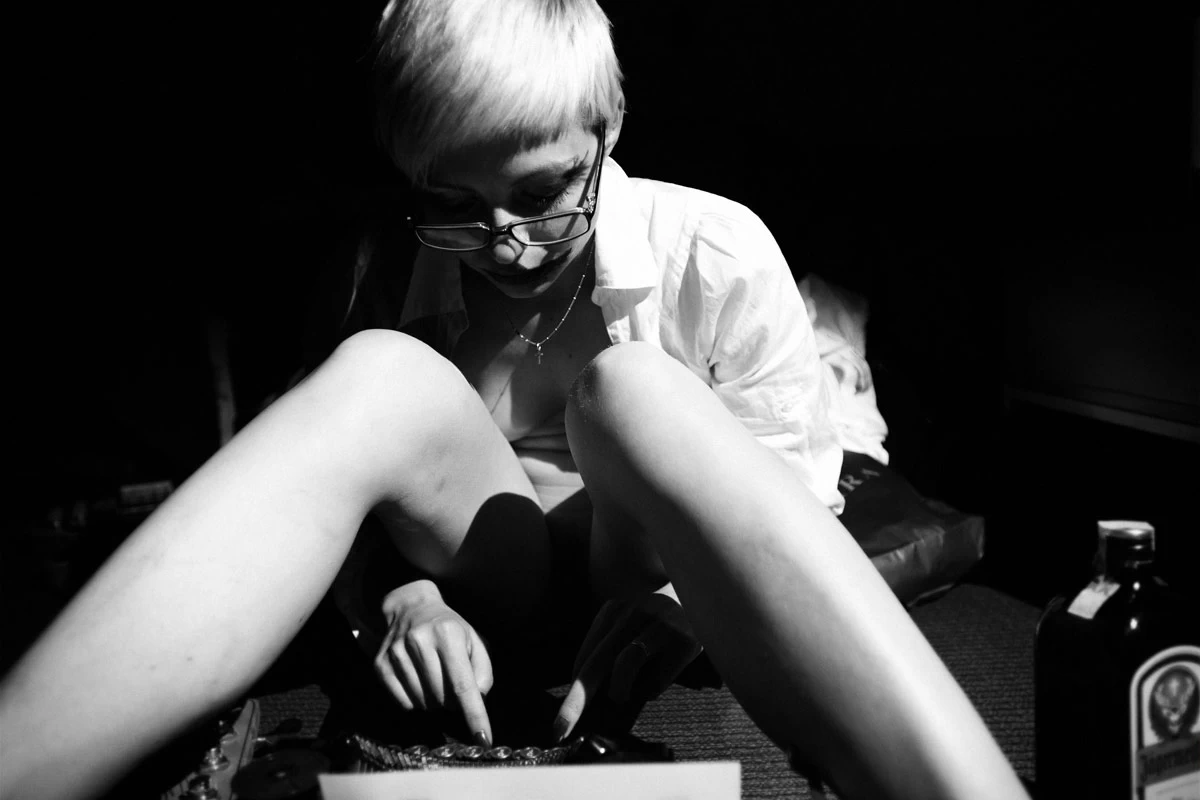
On Friday 14 September 2012 prohibition arrived in our little country. Probably nobody expected to experience this at all; in the end it happened for the very first time in our history. Prohibition didn’t come because we are a nation of drunkards, nor because of a production error that kills people. It came because of a vile fraud on the consumer. It occurs to me that it’s good, because for that fraud we are partly to blame ourselves…
We Czechs are a relatively small and perhaps overly proud nation, like plenty of other nations. I don’t think it’s only because we are a small nation; Americans or Russians, for example, are also very proud of their origin. We’re simply like that. Proudly and gladly we rank ourselves at least alongside other culturally advanced nations, if not higher. We can look quite condescendingly at everything east of us (or anywhere other than west). Poland, Slovakia, Ukraine, Balkan and other states we can see almost as developing countries. We, the heart and crossroads of Europe, surely belong elsewhere.
Really? Do you still remember how, quite recently, foreigners were warned before travelling to the Czech Republic not to eat poultry and other poisonous food here? It was a fine disgrace and we have it here again. So how far have we moved, and why actually?
Because we buy everything that is pushed on us and don’t look at quality. The producers, we could finally begin to call them simply fraudsters, know it and exploit it as far as they can. We have the feeling that we do it out of thrift, but that isn’t true, we just can’t count and still believe advertisements and signs saying ‚Sale‚. Foreigners, for example, don’t understand why on meat products here the percentage of meat must be stated. When I tell them it’s so that I don’t, for example, have to buy ham containing 60 or 70% meat when elsewhere for the same money I can buy 97%, they don’t believe their own ears. Why, they say, would anyone make 60% ham, and if so, why would anyone buy it.
It’s relatively simple – for example at Albert, ordinary hams contain on average 70% meat, and ham with the epithet ‚highest quality‚ has a full 80%. So what quality does, say, a 97% ham from Lidl have? It costs the same, tastes like meat and doesn’t boast any quality higher than the highest.
It’s the same with other foods, or with wine, for example. Do you know the joke about the Moravian division of wine into the categories it’s drinkable, it’s not drinkable and it’s for Praguers? My experience is that if I buy a bottle in Bohemia for 100, 150, 200 crowns, I don’t know what awaits me. I’m pleasantly surprised when the wine is good, but more often the quality is a compromise; I call it ‚it’ll go down after the second glass‚, and unfortunately it is no exception that such wine can’t be drunk at all. This summer in Italy and Germany I drank wines in the price range of 40 to 100 crowns and all were very good. Here I wouldn’t dare buy anything like that.
But somebody always buys it. And that is the problem.
If we ourselves are not capable of leaving all the poor-quality, adulterated and fraudulent goods on the shelves and thereby forcing producers and sellers to improve quality, perhaps a prohibition on meat, wine, cheese, vegetables and so on would help… Until goods that correspond in quality to the price we pay for them appear in our shops again.