This page was translated by AI. Please be forgiving of any mistakes.
‹ Photo Notes · 17 května, 2017
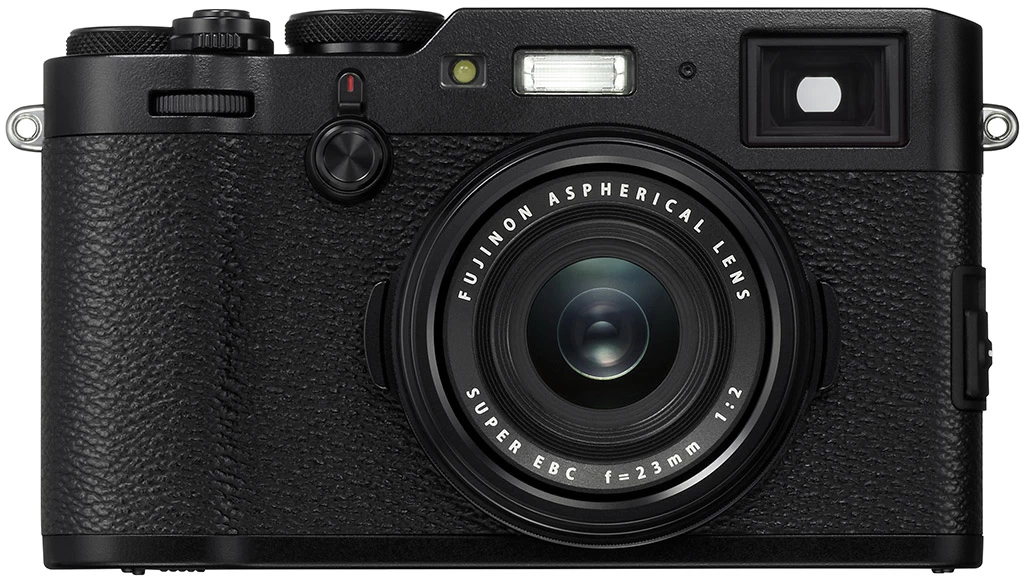
I was about to take a short trip to Milan again, and the idea of borrowing a Fujifilm X100F camera came at the last minute and actually by chance…
The reason for borrowing was simple. I knew I’d have neither the time nor the mood for lugging stuff around Milan this time, but you never know, and the magic of the whole X100 series is that these cameras are great travel and street photography companions. Setting aside that the quality that comes out of them is the same as other Fuji cameras, the credit goes to their compact size and the 23 mm focal length.
And I had held the X100F in my hand only a couple of times for a moment, but I had never shot with it, let alone had it with me for any longer time.
It switched my brain – the first time
I only wanted to get a feel for it; writing about it never crossed my mind. It’s no novelty on the market, and there are probably a million reviews and articles about it… Wait!
After all, that was in January, when Fujifilm CZ representatives proudly showed it to us and revealed it would go out into the world in a week. And there were waiting lists for it and it’s only getting to shops a few pieces at a time… (current stock at FotoŠkoda and FujiFoto.)
It felt as if it had been ages ago.
I won’t write a review anyway
I see no reason for a review, there are really plenty of them and describing technical parameters here makes no sense; whoever is interested in the X100F has long since read it all. I’ll limit myself to impressions and a few samples.
An old acquaintance
I had already held all its predecessors in my hands, the X100, X100S and X100T, so basically nothing I didn’t know. In short: a new sensor, higher resolution, better photos at high ISO, better video, some hardware improvements etc… Even my old X-E1 is very similar in handling and overall feel, but they’re not the same cameras.
Everything takes time
Although at first glance all Fujifilm cameras look very much alike, each behaves a bit differently, and moreover two generations passed between my X-E1 and the new X100F. To every new model you have to get used to a bit, set it up your own way and squeeze the maximum out of it.
A long weekend didn’t give me much time for a perfect acquaintance.
First I shot some test photos at home (I won’t bother you with those now) and then I headed into the city.
I set aperture priority (ISO and time automatic) and the much admired Across film simulation mode. With few exceptions this setting lasted me the whole time of testing; I only adjusted some parameters (mostly contrast and exposure compensation) and occasionally switched to a colour mode.
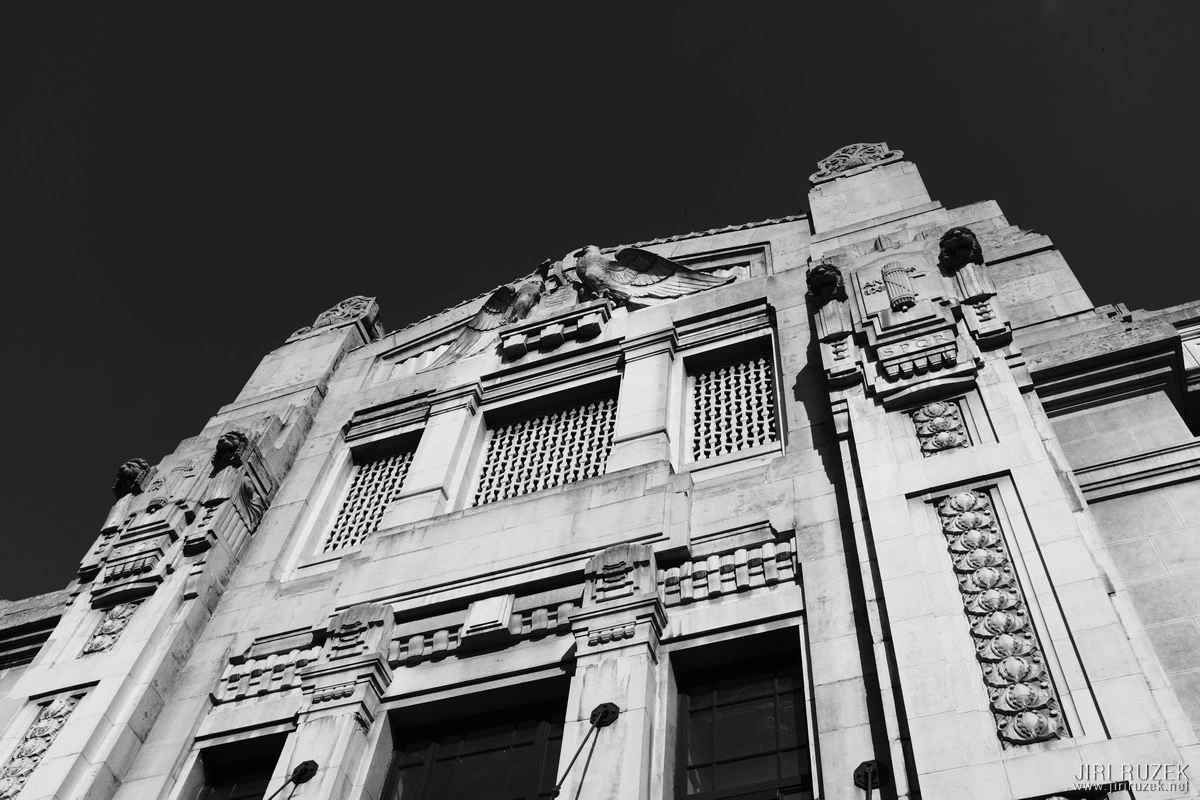
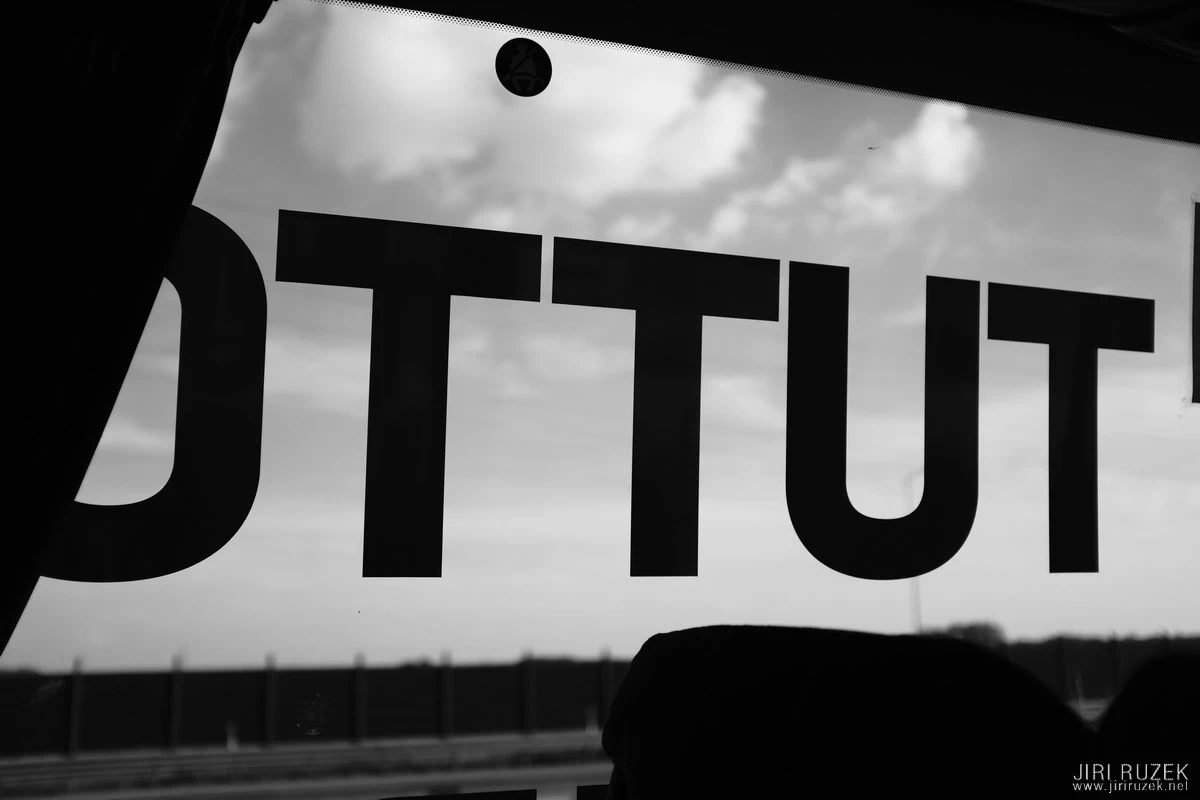
Note: all photographs are unedited, as they came out of the camera (only reduced for the web) and serve purely as a demonstration of technical quality and the character of the output.

It switched my brain – the second time
The combination of the compact body, the 23 mm focal length and the Across simulation (often with raised contrast) made me start perceiving and shooting differently. Or at least I felt that way. For comparison, imagine looking into the viewfinder shaft of a twin-lens reflex: you have different feelings and perception too…
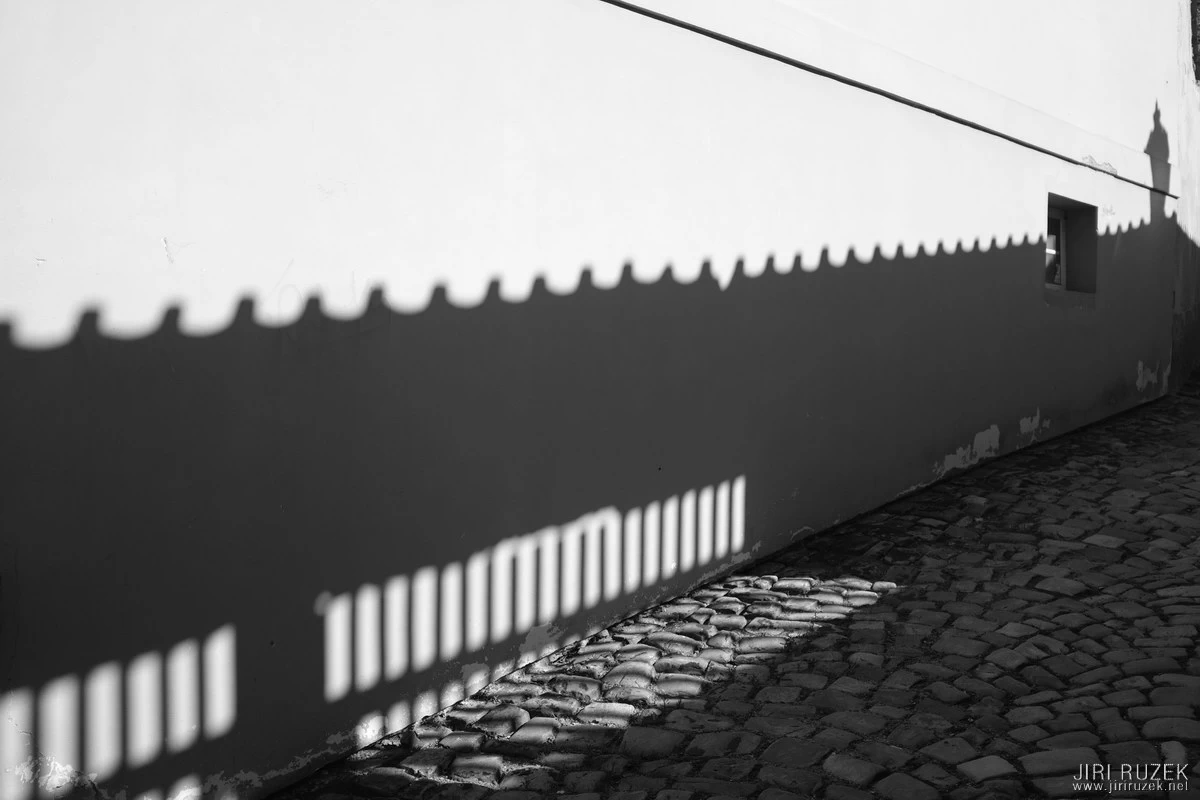
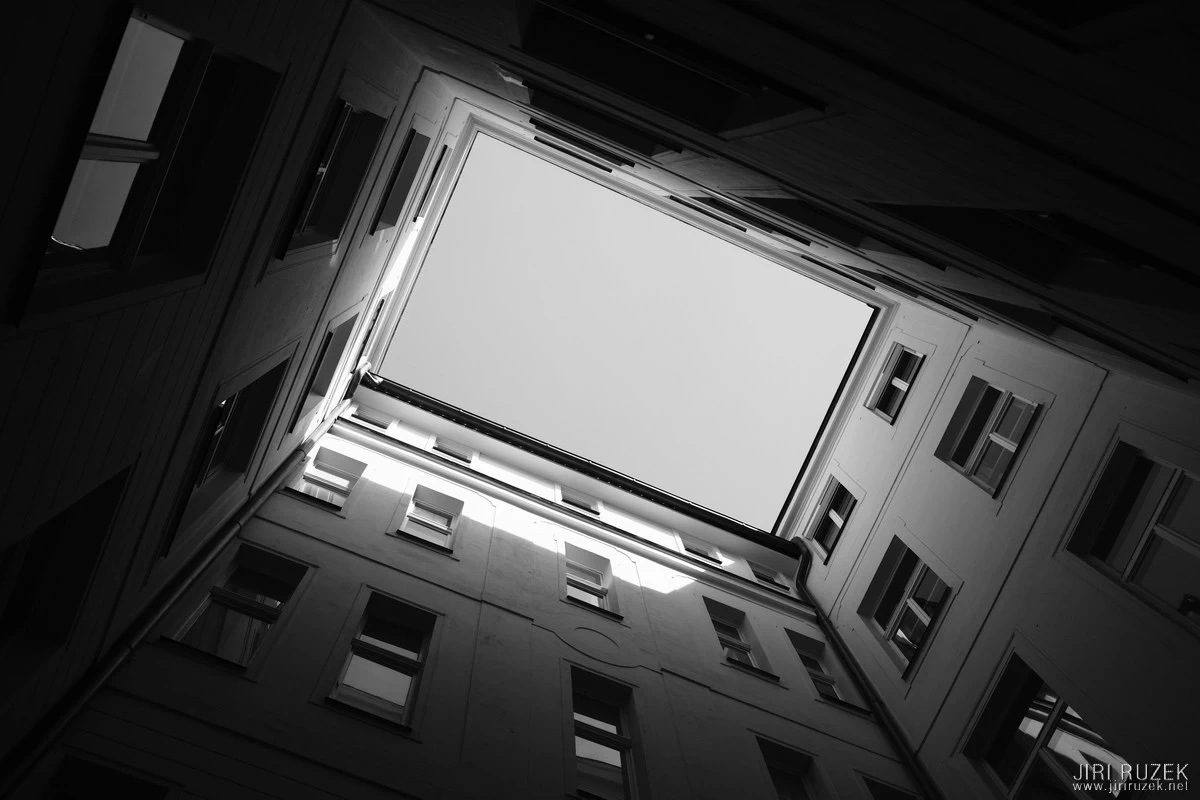
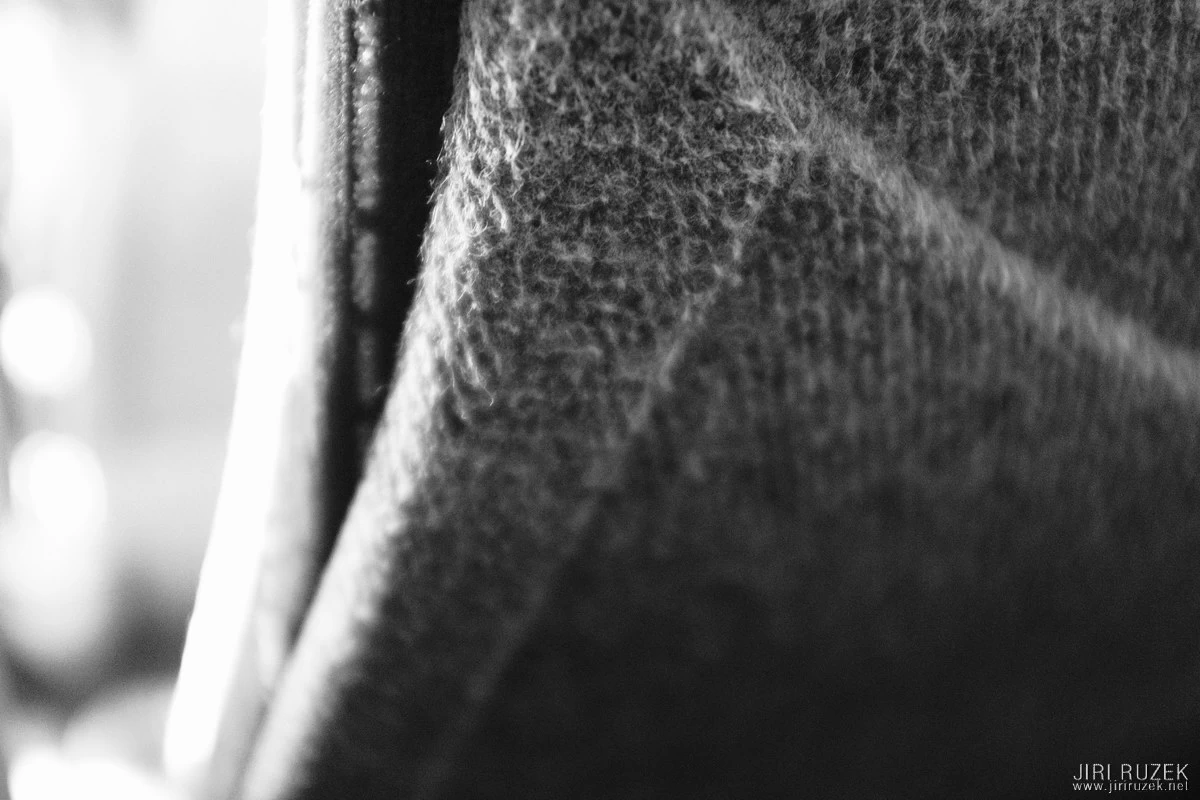
Most often I adjusted the contrast (range -2 to +4 for shadows and highlights). The following two photographs show the highest and lowest possible contrast in Across mode. The first has both highlights and shadows at +4, the second at -2.


Of course I enjoyed the more contrasty photos, although I didn’t always shoot at the maximum; more often I had shadows at +2 and highlights at +4.


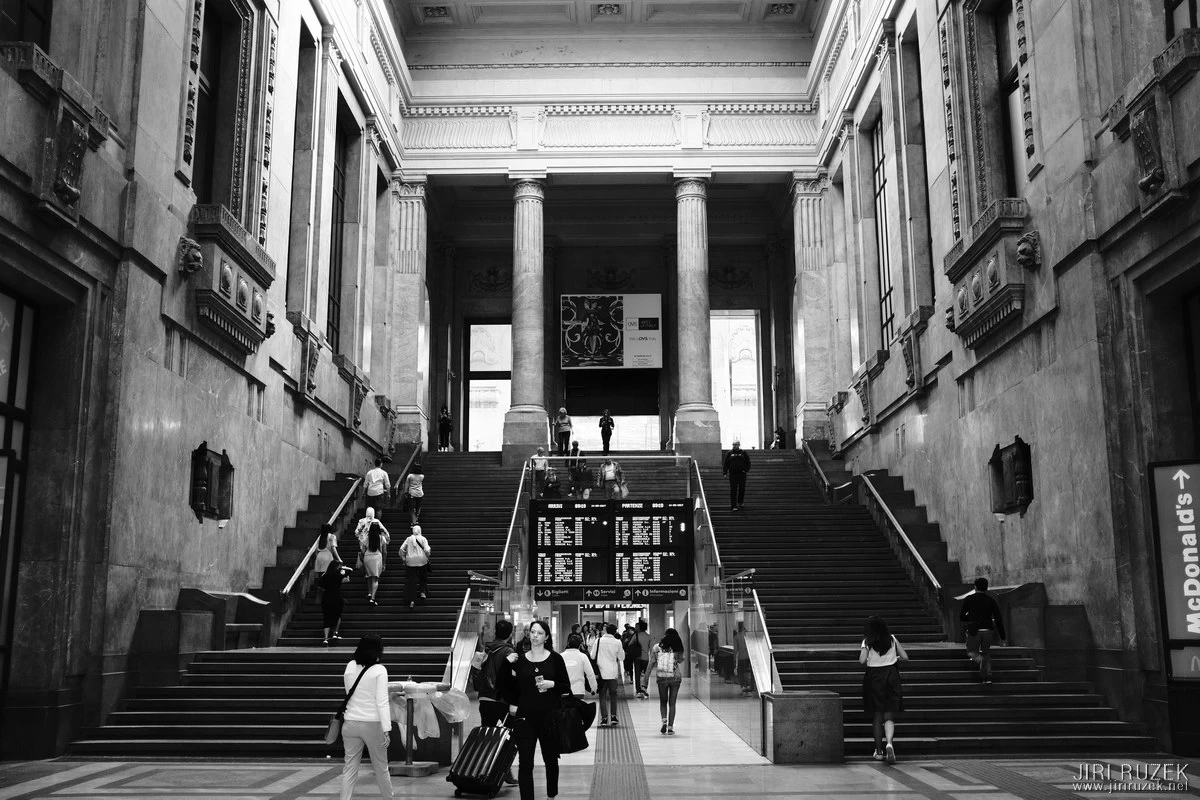
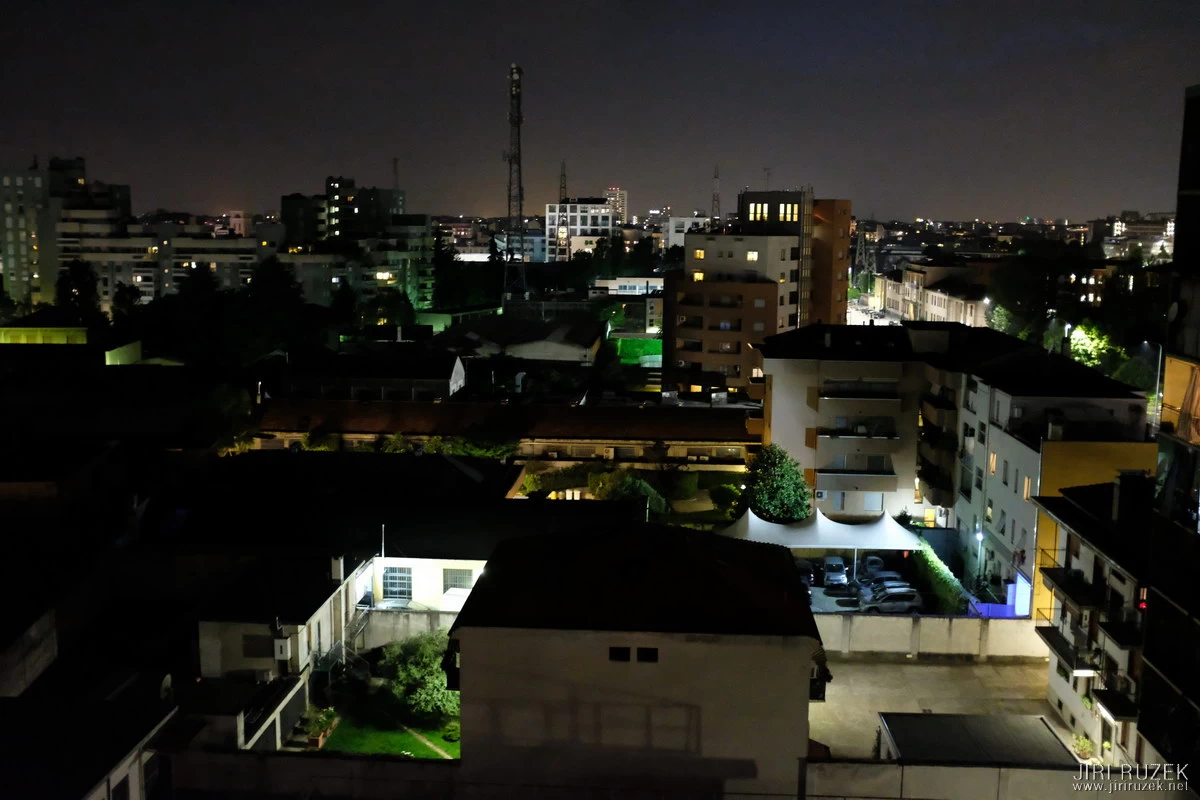
I also tried photos at high ISO, and the X100F held up excellently.
Not everything was perfect
Not every photo came out the way I wanted. The mistakes were on my side, insufficient familiarity with the gear, but some things confused me. The most common problem was that in the sun I forgot to switch on the built-in ND filter, and when I shot with a fully open aperture, the X100F limited the time to the shortest value of 1/1000 s. That’s not news and maybe it’s necessary, but it’s a pity.
The problem, though, was that in the viewfinder I couldn’t see that the photo was overexposed. I didn’t have exposure preview turned off, the viewfinder responded to EV compensation, yet it sometimes showed me a very bright but not blown-out photo. I only found that out afterwards when reviewing the photos.

It’s possible that the loaner model had some quirks, hard to say. I also wasn’t thrilled by the „gimmicks“ such as the automatic viewfinder brightness or the option to set its brightness and colours. For some it may be great; I think that sometimes less is more, and once I get used to the default setting, I can rely on my viewfinder afterwards.

Of course, if I used it long-term, I would adapt the settings to my needs.
Writing anything about photo quality makes no sense; it’s standardly excellent and you can make up your own mind from the photos. I even tried the two-step digital zoom and saw no loss in photo quality.
The Czech X100F ambassador Vojtěch Hurych shot, together with Marek Veselý (entirely on the X-T2 in Across), a short promo film called Storyteller.
The Fujifilm X100F, like the other X100 cameras, is different in character from the X-E, X-Pro and X-T lines. It’s a storyteller; the guys couldn’t have come up with a better name.
And that’s probably all for today… Have a nice evening 🙂
Check the price and stock at FotoŠkoda and FujiFoto.