This page was translated by AI. Please be forgiving of any mistakes.
‹ Photo Notes · 7 září, 2017
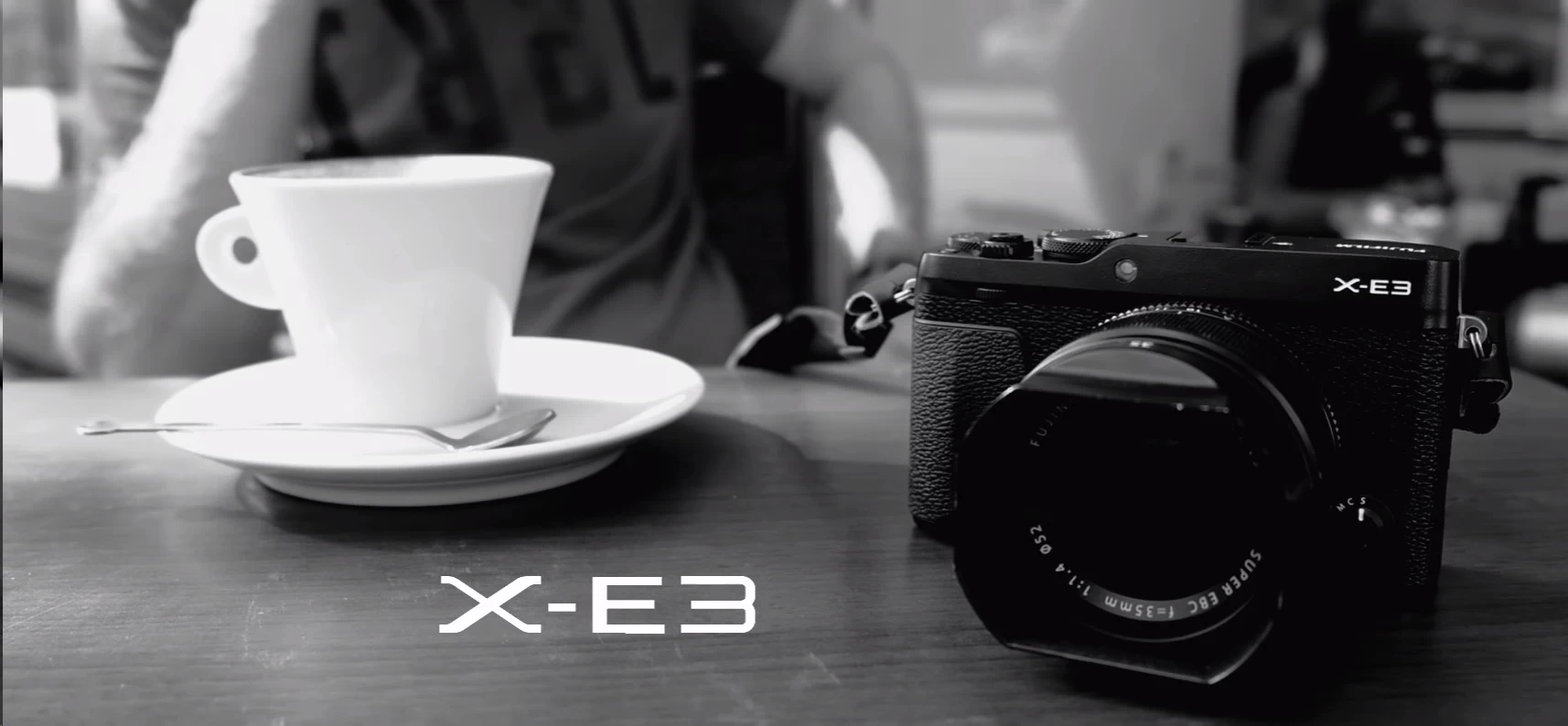
Today Fujifilm officially introduces to the world a new model of the X series, the ultra-compact X-E3 camera.
As the X-E3 ambassador for the Czech Republic, I had the opportunity to get to know a prototype of this model several weeks before the official launch.
Although the prototype is almost the final product, it still isn’t the final product, so for now I don’t dare to write a detailed review. During testing I received new firmware several times, which unlocked new functions or fixed minor glitches. And I know with absolute certainty that even now it isn’t 100% identical to the production version, which I myself have to wait several more weeks for. You’ll have to settle for my first impressions. And there are plenty…
First, though, a few brief points that Fujifilm highlights about the X-E3.
What the X-E3 has new compared to its predecessors X-E1, X-E2 and X-E2s
- 24.3 MP image resolution
- X-Trans CMOS III sensor
- 4K video with the option of displaying on a monitor over HDMI
- ISO up to 12800
- touch display
- Bluetooth (the very first Fuji X camera with it)
- joystick
- full auto switch
- front rotary dial (finally, ISO)
- faster focusing (subject tracking faster than the X-T2)
- smaller dimensions and weight
- all rear buttons are on the right or at the top
What, on the other hand, has disappeared from the X-E3 compared to its predecessors
- built-in flash (a small external EF-X8 flash is in the box)
- D-PAD controller (its function is replaced by the joystick and the touch display)

First impressions
It is well known that Fujifilm listens to the requests of its camera users, and the same was true for the X-E3. Of course it isn’t possible to grant every request, so the X-E3, like practically all models of the X series, will please some more and others less. For example, I take the X-T2 with great respect as a superb working tool, but I know it isn’t the camera for me. I like cameras with the viewfinder on the left, that is, the X100, X-Pro and X-E series.

Image quality is identical across all the new models fitted with the X-Trans III sensor, that is the X-Pro2, X-T2, X-T20 and X100F. The electronic viewfinder is very good and fast. Focusing speed: my shooting doesn’t depend on speed, so I don’t want to judge this parameter. I felt no limitation; I only tried subject tracking and it seemed nimble.
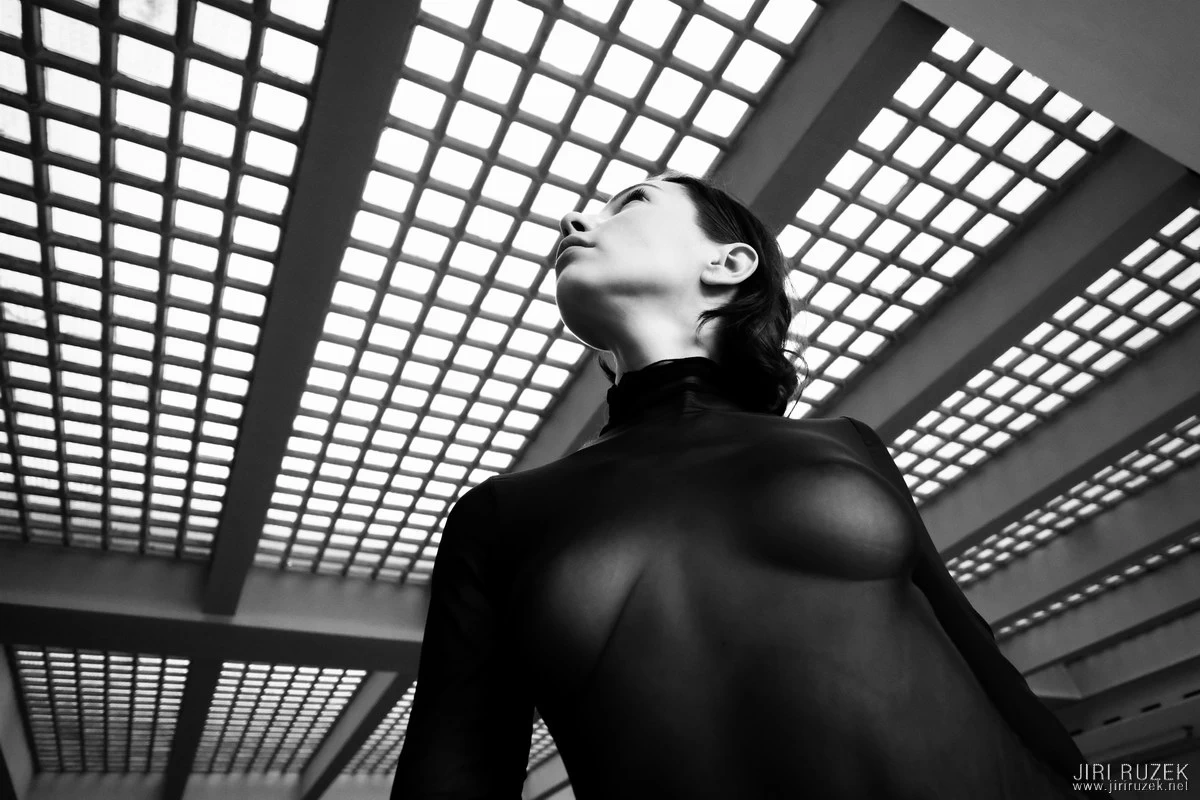
One of the granted requests of the Fuji community was making the camera smaller. I admit it’s probably the only thing I could have done without. Neither my old X-E1 nor the X-E2(s) are big. The curious thing is that the reduction is more visual than real. The new body is indeed shorter on its longest side by just under 8 mm, but the other differences are minimal. Fuji, however, shrank everything, the dials, buttons and so on, so the X-E3 looks much smaller than its predecessors. Fortunately it sits well in my hand, and considering the pockets of jackets and bags I carry it in, I actually have to praise the ergonomics of the X-E3 as well thought out (maybe they saw my relic X-E1). But for whoever found the E1 or E2 too small, the E3 probably won’t be the one (similar to the X-T2 vs X-T20).

At first sight I was also slightly disappointed by the absence of the so-called D-PAD on the back (5 buttons arranged in a circle). Its function, however, is replaced by the combination of the joystick and the touch display, so the number of controls didn’t drop. By the way, that touchscreen is quite easy to trigger by accident; I’ll welcome it when Fuji allows it to be switched off completely in some future firmware when you shoot through the viewfinder. Whoever shoots with the left eye (like me, for example) can use their nose to make a double-tap and zoom the image or jump into the white balance settings.
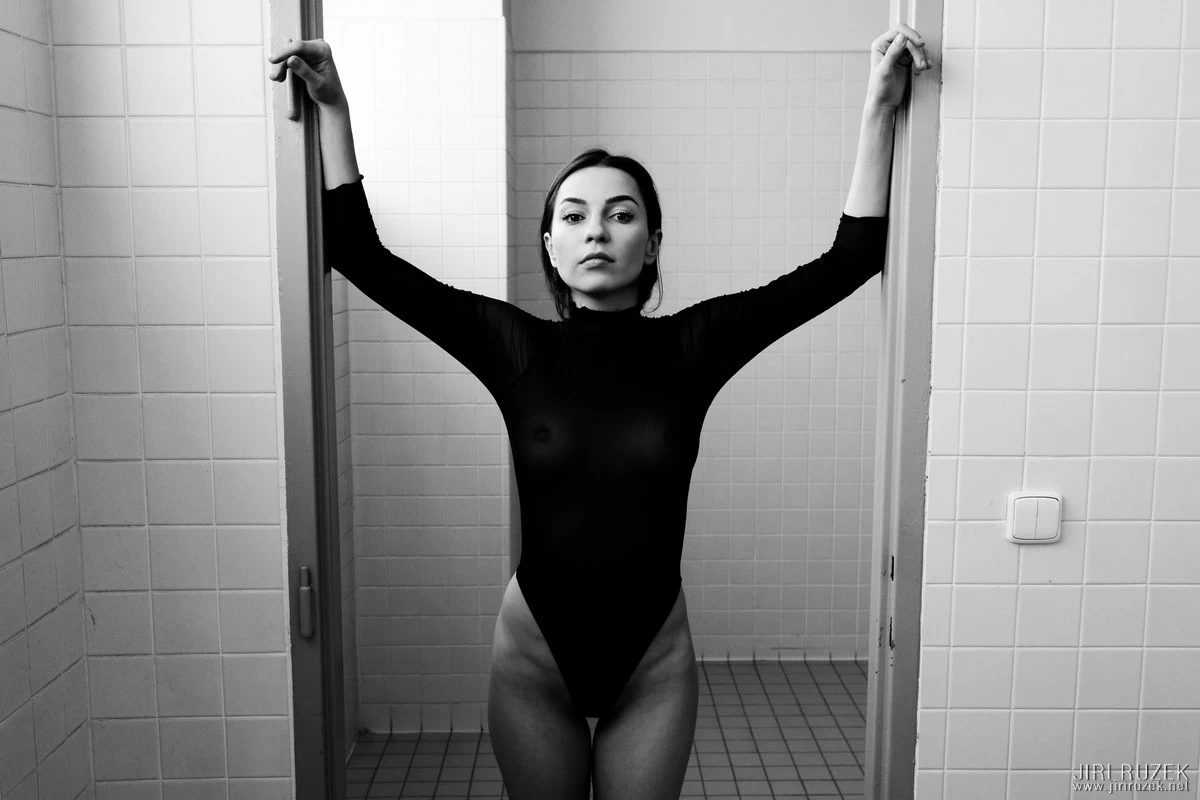
Photo transfer over bluetooth is said to be less energy-hungry than using wi-fi; what I find interesting above all is that the phone can stay connected to the internet via wi-fi even during a bluetooth transfer. Bluetooth does not replace wi-fi, though, it’s just another option.
Finally a switch
Until now I kept answering the question of why I still use the 2012 X-E1 and not the X-E2 or X-E2s. So I’ll answer once more: there was no difference in photo quality, it was only about comfort. In the case of the X-E3 the difference is noticeable, yet I’m keeping the X-E1 as a still perfectly working backup body.
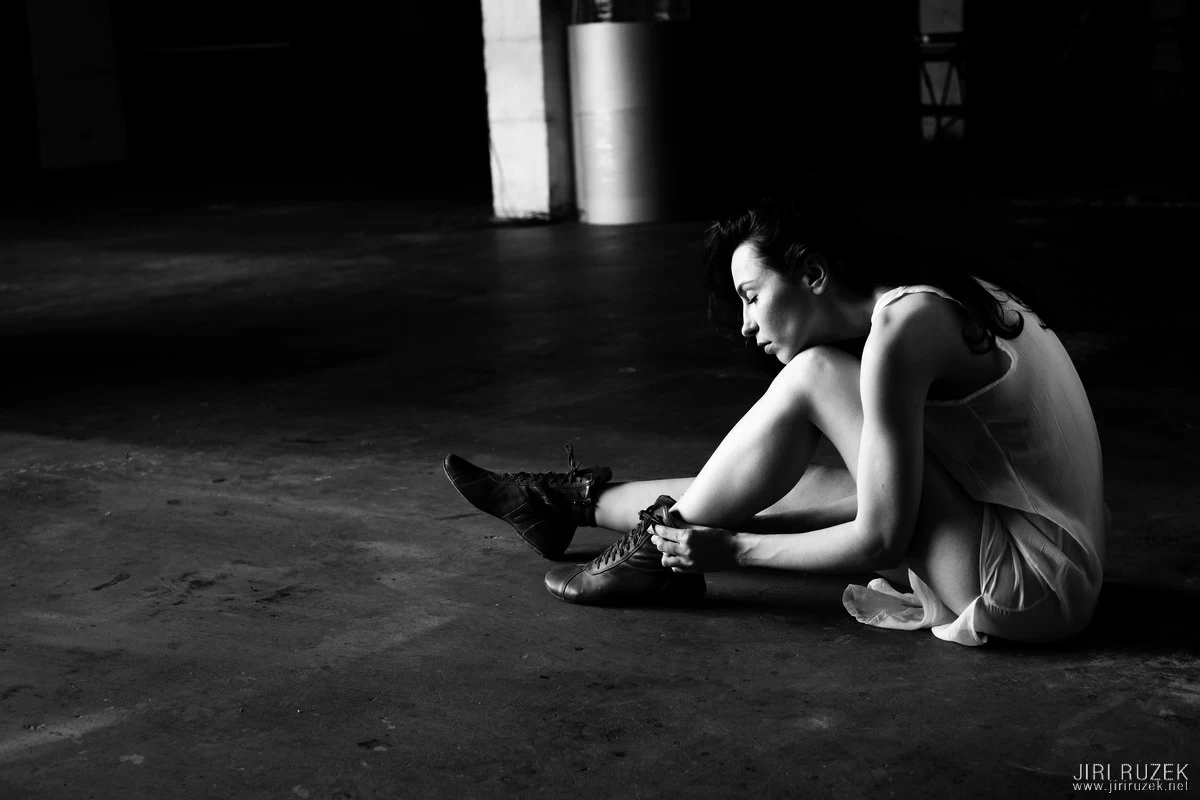
With the model Viki we shot a test series of photographs in under two weeks and filmed a short promo video (shot on the Fuji X-T2 + a few shots from the DJI Spark drone).

The X-E3 goes on sale on 28 September 2017, and of course it will reach us later. It will be sold in a black and a black-silver body and, as with the other models, it will be possible to buy it in an advantageous kit with the XF 18-55 lens. Prices for the Czech market haven’t been set yet; you’ll surely find them soon, for example at FotoŠkoda or FujiFoto.
UPDATE – We know the prices: body approx. 25,000 CZK, X-E3 + XF 18-55mm kit approx. 35,000 CZK, X-E3 + XF 23mm/F2 approx. 33,000 CZK.