This page was translated by AI. Please be forgiving of any mistakes.
‹ Photo Notes · 30 října, 2015
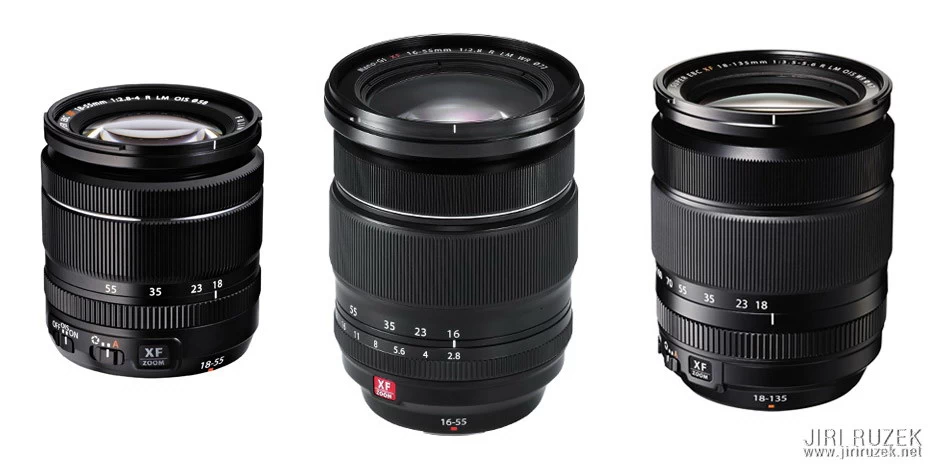
Zoom lenses come in handy sometimes. I currently have a decent collection of prime lenses, but no zoom. And honestly, dragging several lenses on holiday and constantly swapping them isn’t quite it. Of course I could get by with a single focal length, but the variability of zoom lenses is the only reason they are made and why people buy them.
But which zoom is the right one (for me)? My experience with Fujifilm lenses is more than positive; I could and would like to have every new XF glass at home. They are brilliant, but that would border on illness; I think a photographer should have the lenses he shoots with, not ones that are amazing but that he reaches for once a year or never.
That’s why, before flying to Italian Apulia, I borrowed from Fujifilm.cz three variable-focal-length lenses that might interest me. All three had already passed through my hands, but this time I had the chance of a direct confrontation for the first time.
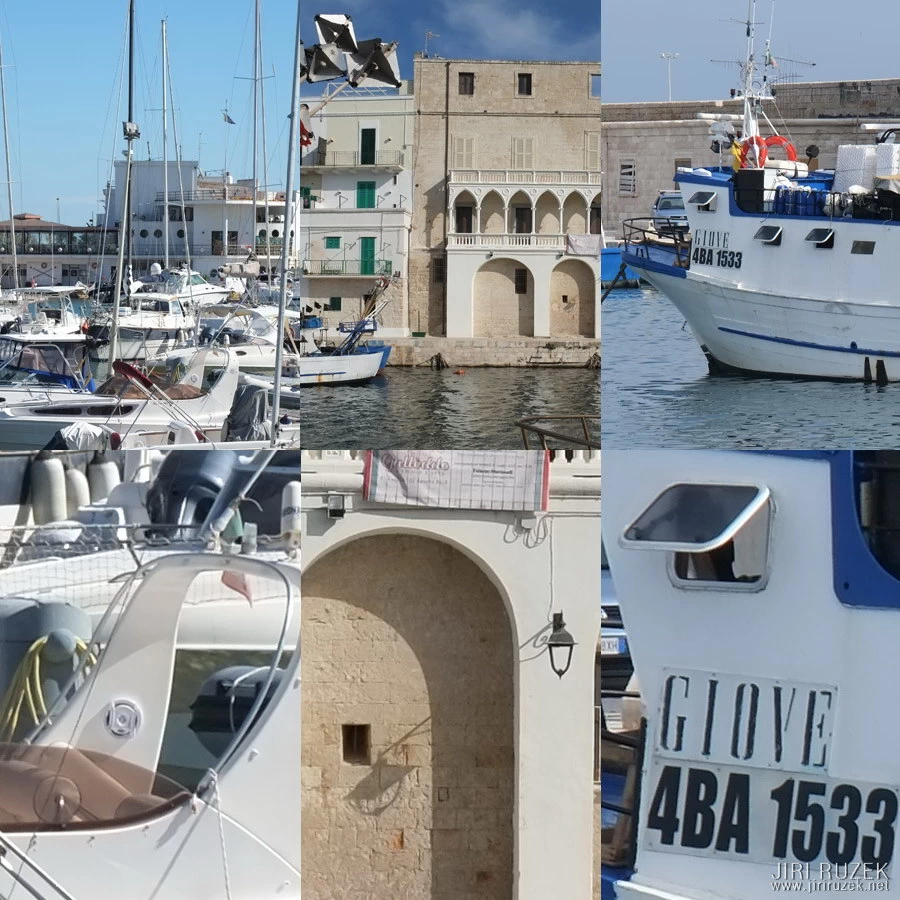
All photographs are without any edits, as they came out of the Fujifilm X-E1 (shot in JPG in aperture priority mode). EXIF data is preserved in the photographs, basic details are listed at individual photographs.
Click to display the original.
HOW I TESTED
As a user. I know I’ll now disappoint fans of graphs and of one comparison photograph taken at all apertures and across the full range of focal lengths, as well as anyone interested in line counts per millimetre and the like.
These things don’t interest me. I have super-sharp prime lenses and I know that the sharpness of zooms will be behind them. When I want uncompromisingly sharp photos, I always reach for a prime. But I also know that all three tested lenses are sharp, and I’m interested in how they are to work with and what the resulting photo is like. To be safe I repeat: photo, not pixels at 100% magnification or more. What always interests me is the result, and that is the photo on paper or on a monitor etc. Besides, the internet is already full of the reviews described above, but they don’t give me the user experience.
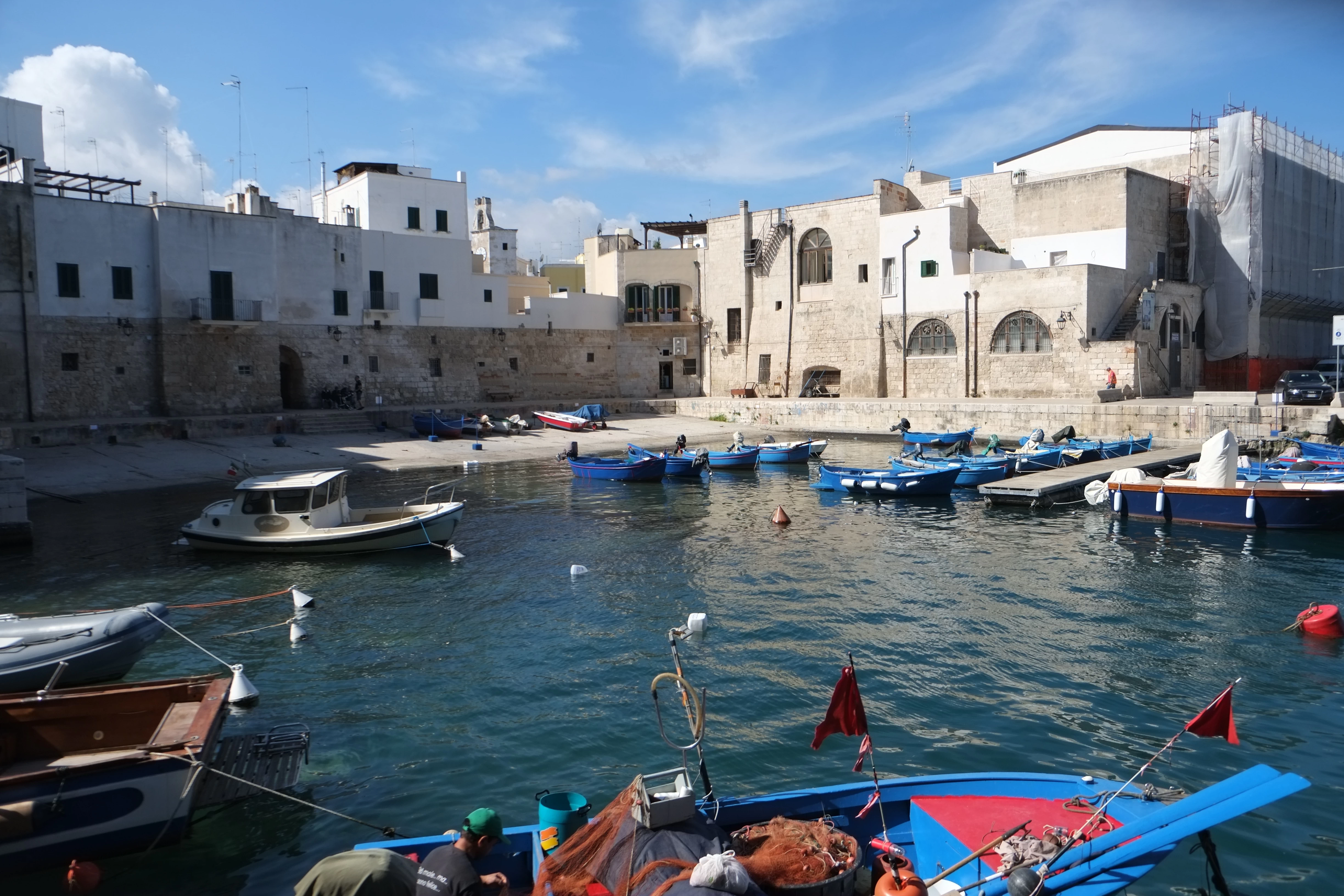
The principle of testing was to have only one lens with me at a time. No swapping (I could have taken primes, which are mostly smaller and lighter, by the way). The tests consisted of me not doing any tests. With one lens around my neck I shot all day (and night) as a tourist. I photographed what the lens allowed. Light and other conditions alternated, so I had plenty of opportunities to test each lens in various situations.

The camera settings were touristy the whole time too: aperture priority, shutter speed and ISO set automatically. I shot everything to JPG in the basic S mode (Provia simulation), which I have proven as the ideal mode for holidays. All fine-tuning values were at zero.
The whole time I also had no comparison; I only looked at the photos on the camera’s small display. I saw the real result only at home after returning.
A CLEAR WINNER AHEAD OF TIME?
Sure, it’s only a matter of how and what you look at.
If I were interested solely in quality, I’d reach without thinking for the most expensive XF 16-55 mm/F2.8 R LM WR. Fuji ranks it among its flagships as a professional zoom. Its quality is brilliant and the price corresponds, over thirty thousand. But how distant is that quality from the quality of its cheaper competitors, and aren’t there other advantages? There are.
If I wanted to save as much money and bag space as possible, there would be no better choice for me than the kit lens XF 18-55 mm/F2.8-4 R LM OIS. Its quality is legendary too, and its size and weight are on a level with the XF primes.
The third option is that I’m interested in maximum versatility; then the ultrazoom XF 18-135 mm/F3.5-5.6 R LM OIS WR is quite logically there for me.
And now hocus pocus …
I admit I was already clear before leaving: my favourite was the kit lens 18-55. The reason was its compactness. But let’s not get ahead of ourselves…
XF 18-55 mm/F2.8-4 R LM OIS
Say kit lens 18-55 and most photographers get goosebumps, especially users of the big two, Canon/Nikon. I had it on a Nikon too and it was usable only as a plug for the camera body. Image quality dreadful and that cheap plastic build… Brrr
Fuji’s 18-55 is different, and that’s no advertising cry. It’s metal, pleasant in the hand and its image quality is legendary. I didn’t believe it once either, but I have more experience with it, including from the past, and I understand why some photographers took to it instead of the first XF 18mm or XF 27mm primes.
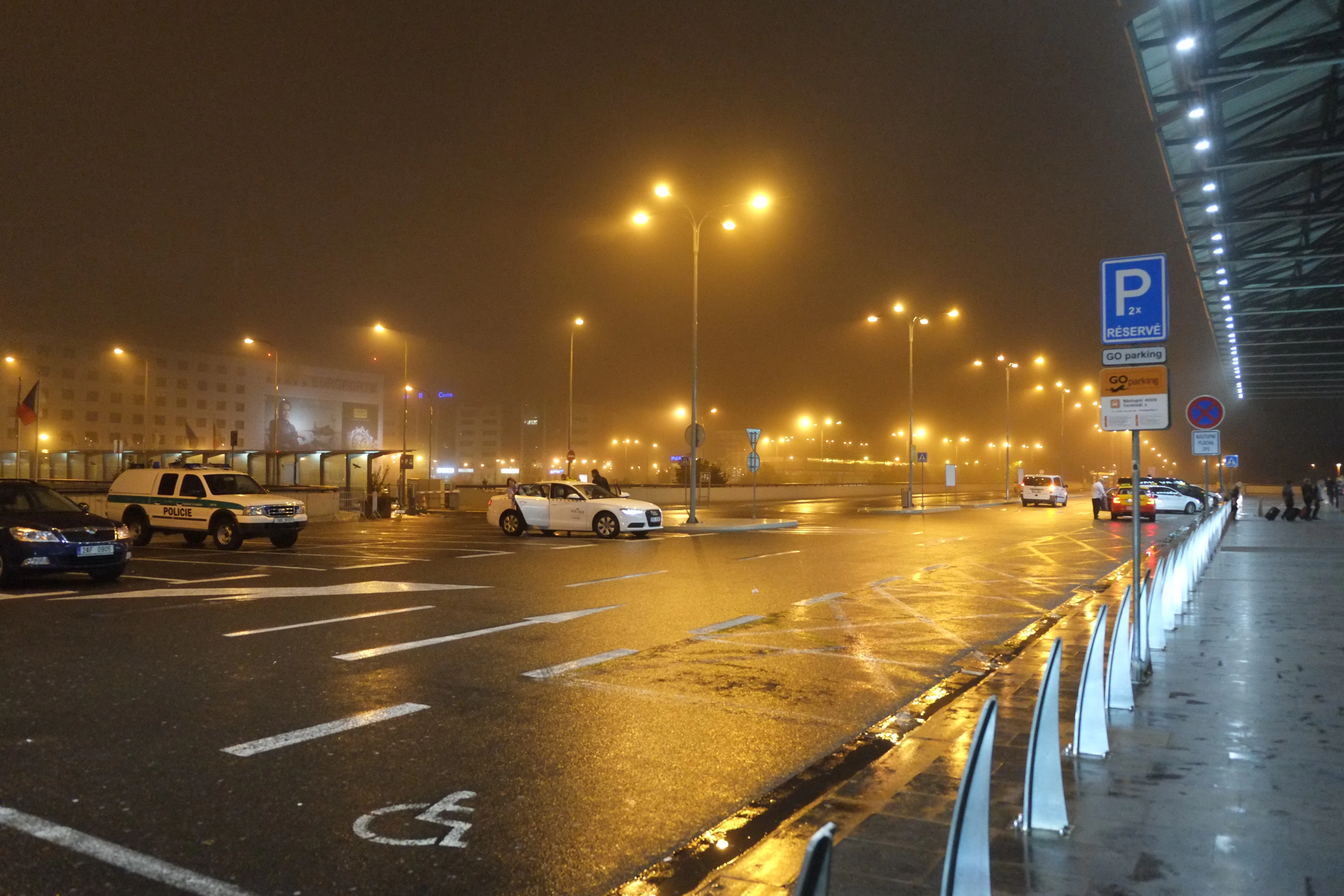
It came first, and already before five in the morning at Prague airport it gave me not a single reason for complaint. I shot with it on the way and the whole first day in Monopoli. I finished in the dark late in the evening.

Again I appreciated its optical stabilization; it let me shoot night photos almost regardless of the shutter speeds used (the manufacturer states 4 EV). The speed of F2.8, at least at the shorter end, is pleasing. The disadvantages are the smallest focal range and no protection against water and dust.
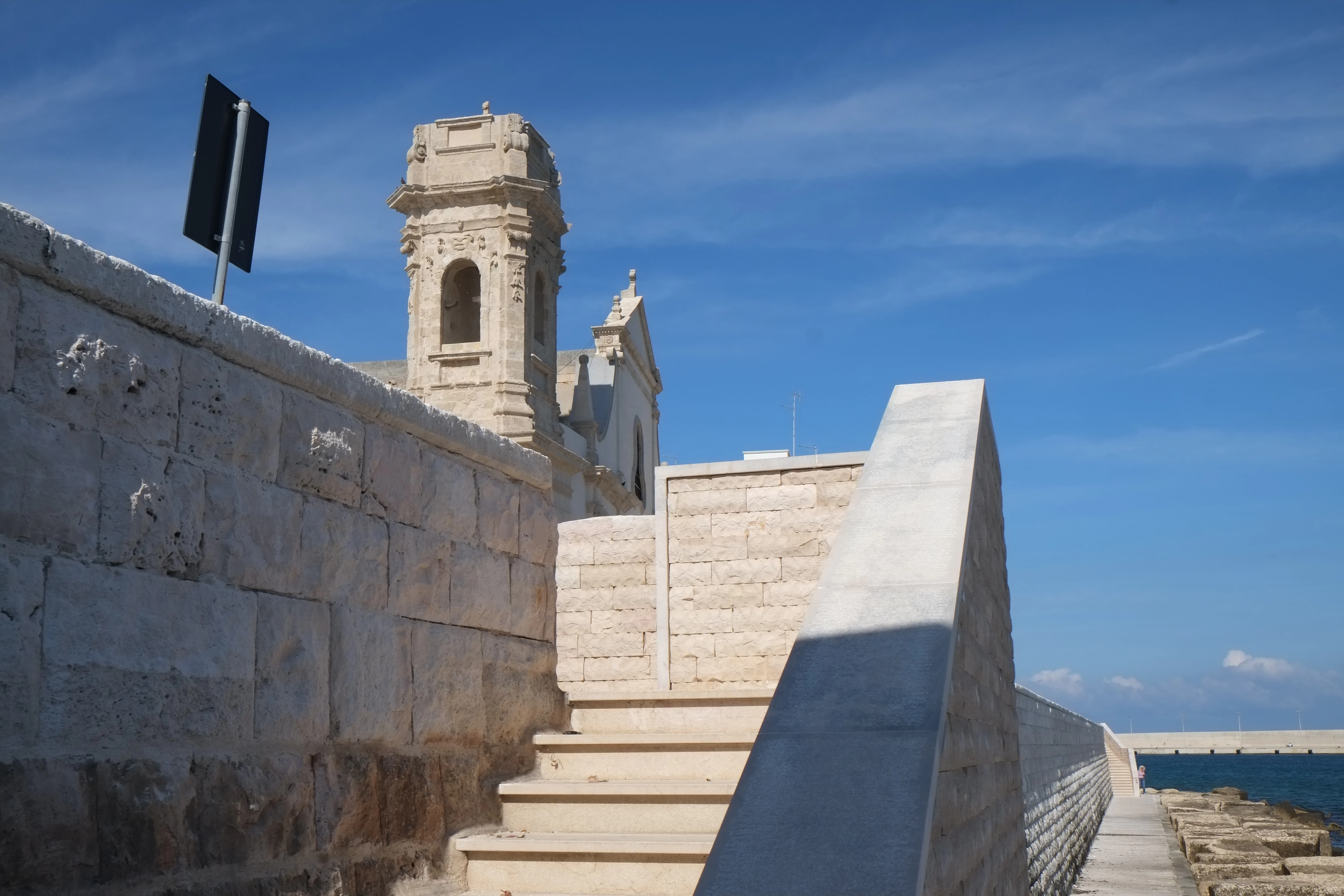
The compactness of the XF 18-55 made me forget, especially at first, that I was actually shooting with a zoom. Of the three lenses it is the only one that, thanks to its size and above all weight, doesn’t upset the camera’s balance at all. On the other hand it feels almost tiny in the hand, which doesn’t matter with primes, but with a zoom you turn it more often.
Current price: 18,900 CZK
Price at FotoŠkoda
XF 18-135 mm/F3.5-5.6 R LM OIS WR
For a lens’s optics to pass the best image information to the camera body, all the elements must be perfectly aligned. That can be achieved in prime lenses. In zoom lenses the elements move, and their exact alignment at all possible focal lengths is almost impossible. It is always a certain compromise. That’s why they don’t reach the quality of primes. And in ultrazooms the elements move a lot, which is why photographers prefer zooms with a smaller range. Will the XF 18-135 fail too?

If I thought it was bad, I wouldn’t have dragged half a kilo of iron and glass to Italy for nothing. But it was about a direct confrontation.
It is more than half again as heavy and almost three centimetres longer than the 18-55. And it is also almost half as heavy as the body of my Fujifilm X-E1 (which weighs 350 g), so there’s a marked shift in the centre of gravity. In the hand it is pleasant, zooming is natural.
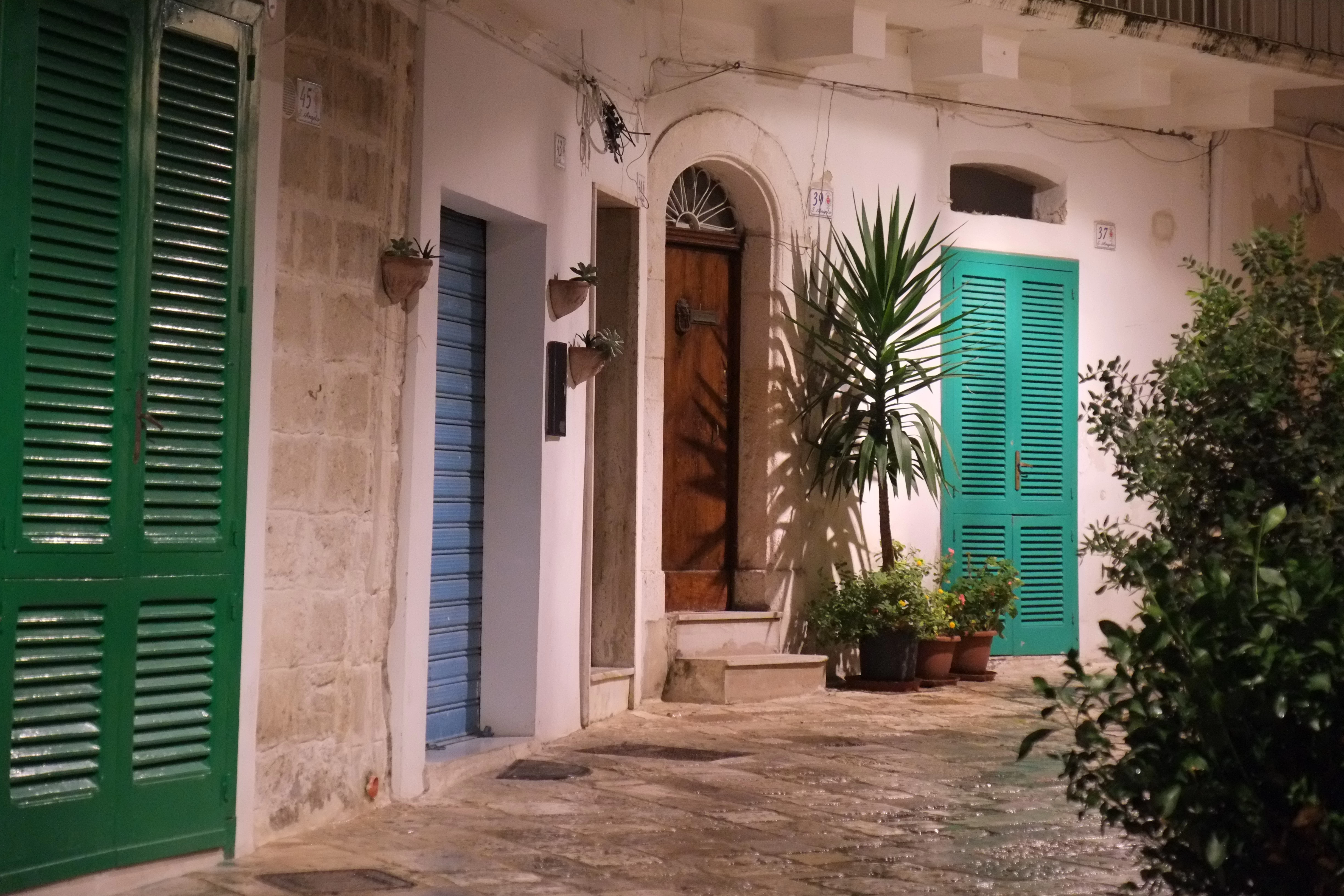
The shortest focal length is the same, 18 mm, but the range upwards to 135 mm is enormous compared with the 18-55. The felt comparison of shooting one day with the 18-55 and the next with the 18-135 is one of freedom and versatility. No surprise, but it works more than I’d expect. I shoot short, long, as if nothing were happening. Nothing is happening, it’s just a bit cloudy (and tomorrow it will even rain). A pity, those conifers deserve sun.
The stabilizer is even more powerful, according to the manufacturer up to 5 EV; at night I shoot with unbelievable shutter speeds, but the display is small, so we’ll see at home whether I have any unblurred night photo.
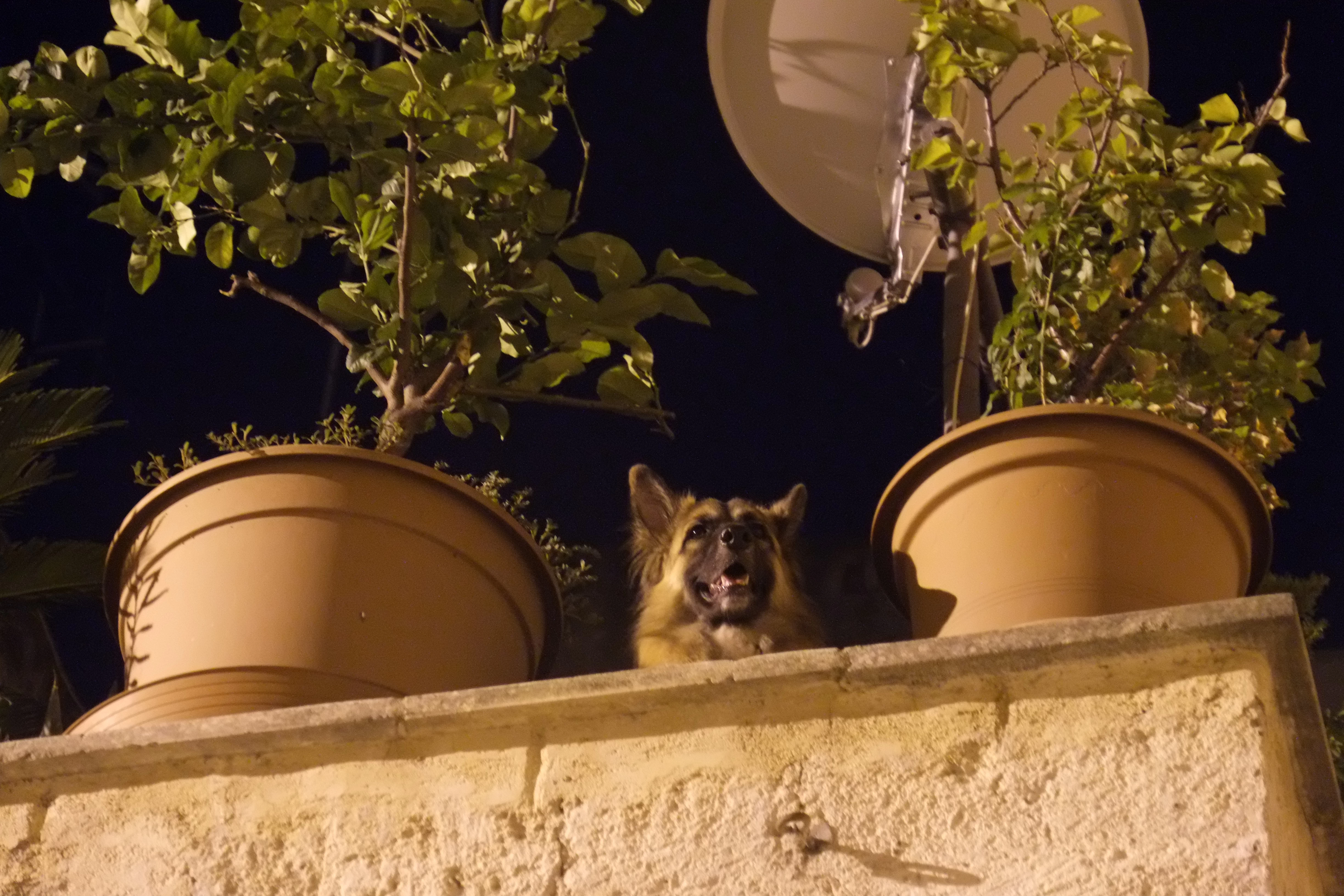
The XF 18-135 has WR protection against dust, rain etc. A pleasant bonus. It’s also good to know that inside the barrel hide two ED elements; ED is usually a promise of quality.
Only the telescoping effect when zooming out to long focal lengths strikes me as a bit unaesthetic (and cheap). All three lenses have this construction, but here, thanks to the 135 mm, it is the most striking. Besides, it scares people; if it could zoom without a giant erection, I’d be quite inconspicuous in the street.
Current price: 23,900 CZK
Price at FotoŠkoda
XF 16-55 mm/F2.8 R LM WR
The XF mark on the lens barrel sits on a red background, so you know it’s not just some ordinary XF, but an extra XF. The Fujinon XF 16-55 mm/F2.8 R LM WR is the pride of the stable and is designated a professional lens. An equivalent of the 24-70/2.8 on Nikon, Canon and others. It isn’t cheap, but compared with those two it is 20 to 30 thousand cheaper. It’s a pity that it approaches them in size and weight (from the point of view of a Fuji user used to small and light kit).
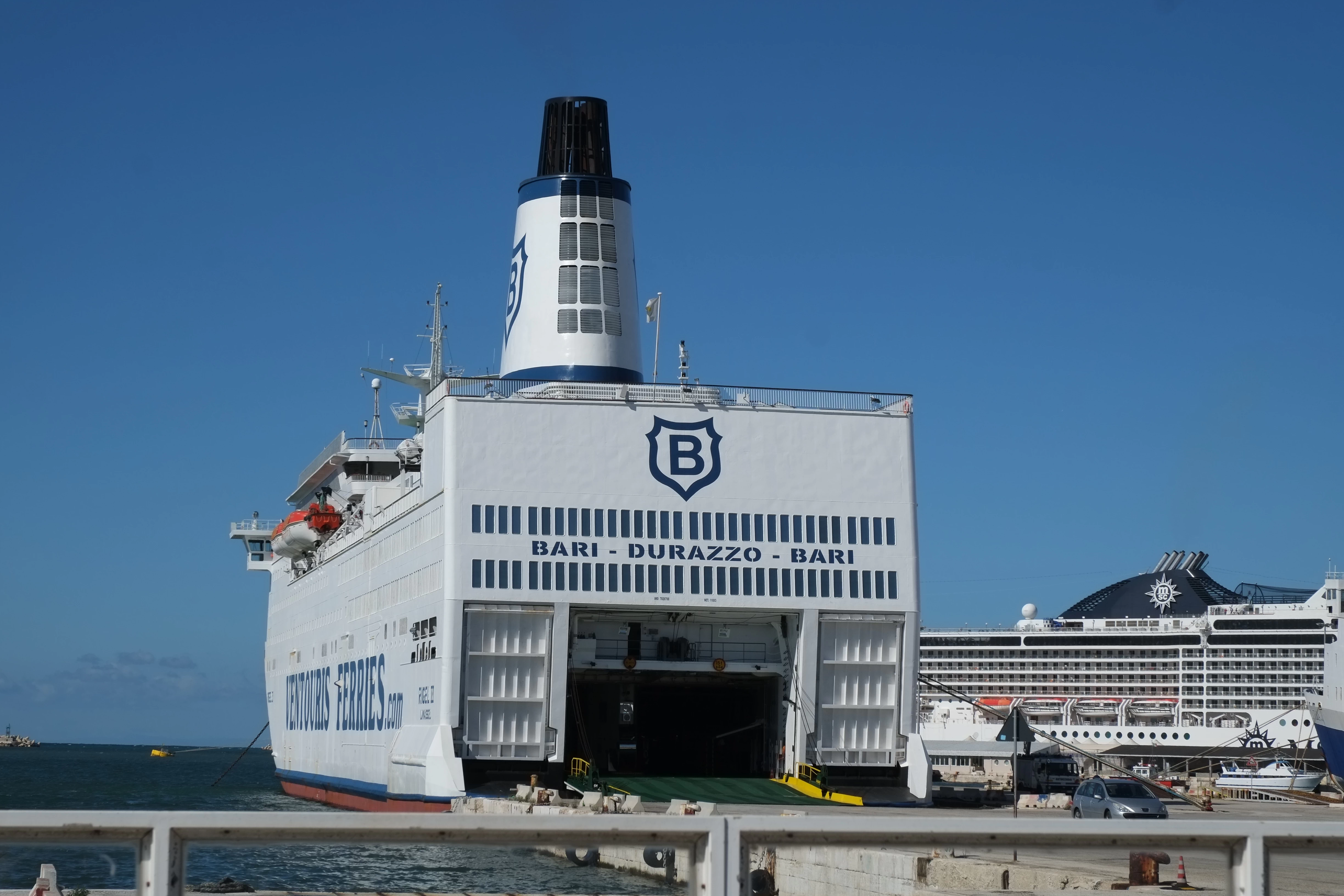
It is the biggest and heaviest of all. Its weight is double that of the camera body. It sits great in the hand, but on my neck I again have a kilo of iron. For an exact comparison: body plus XF 18-55 with hood and cap – 700 g, with XF 18-135 – 880 g, with XF 16-55 – 1070 g. The difference against the lightest 18-55 is „only“ 370 grams and against the 18-135 just 190 grams, but when carrying all day those grams count. Put two or three phones in your shirt pocket instead of one…
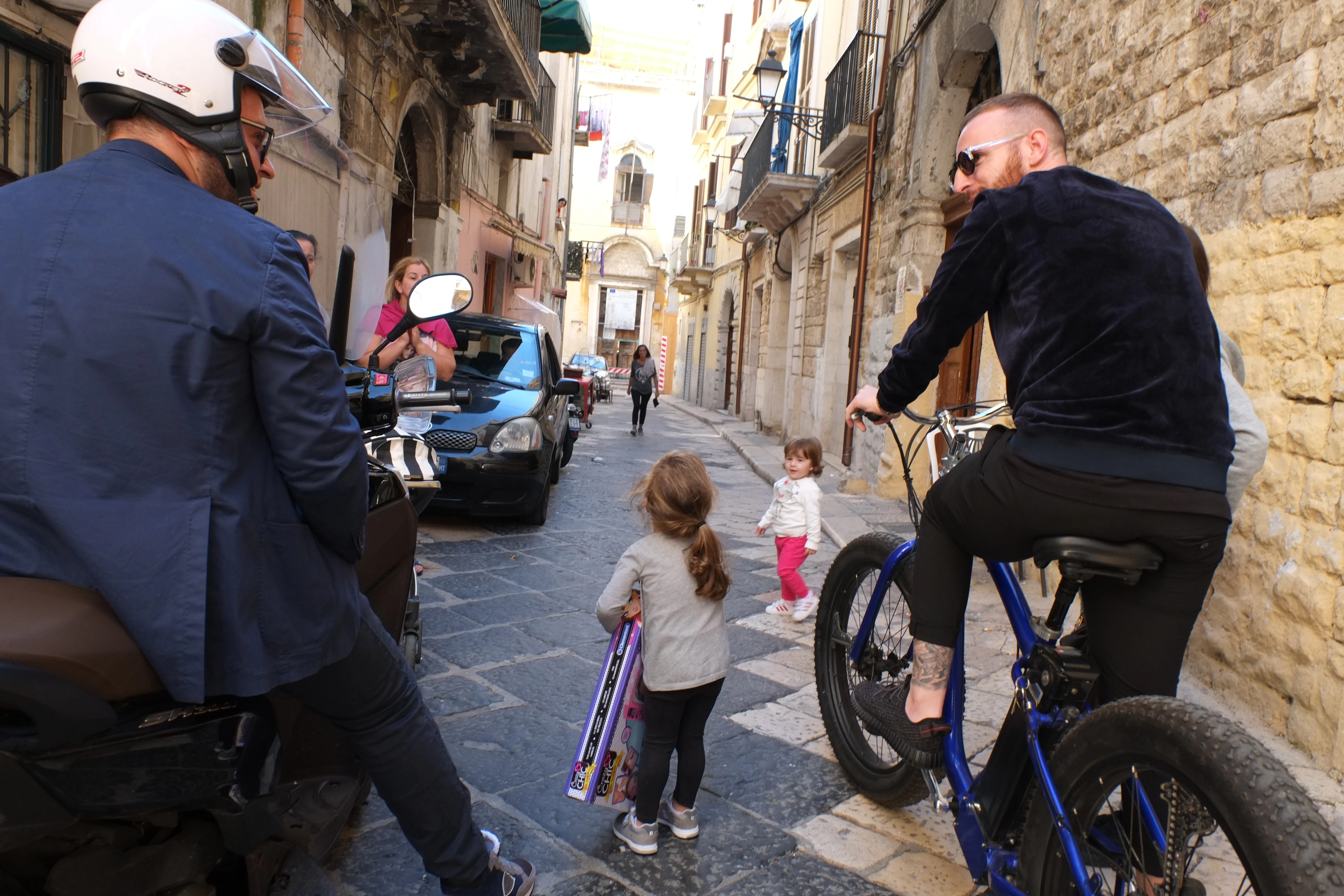
It is the widest of all three (proportionally too, but now I’m talking about focal length). A focal range starting at 16 mm is pleasant. Sometimes those two millimetres can decide whether you fit into the scene or not, but in everyday practice it isn’t a leap compared with 18 millimetres. At the top it ends at 55 mm, same as the XF 18-55. After yesterday’s shooting with the 18-135 it is limiting, but I know it’s a reasonable range.
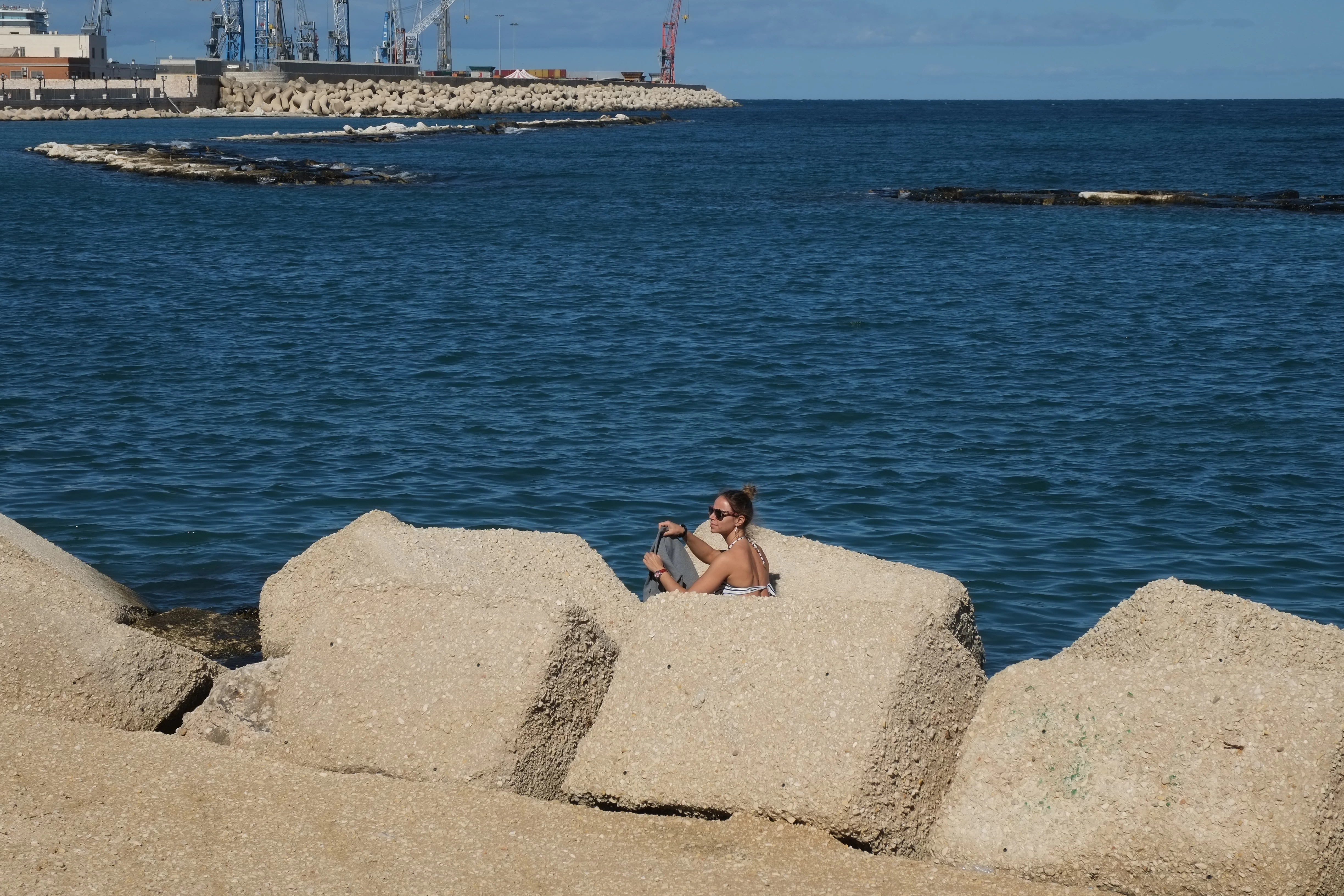
Of course it has WR protection, and, not of course, it has no stabilizer. Why? Speed 2.8 across the whole range is great, but at night I miss stabilization.
Nevertheless, I have on the camera the best that Fujifilm provides in this category of zooms.
Current price: 32,900 CZK
Price at FotoŠkoda
HOW THE PHOTOS TURNED OUT
I’ll jump in time and return home from Italy. In front of me is ACDSee with the photos displayed. All in one folder, ordered by name (and time of capture). Browsing, I don’t see differences. That’s good news for me after the holiday and for the owners of the two cheaper lenses. Aperture priority with automatic shutter speed and ISO (preferring ideally 200, max. 6400) proved itself; I have a minimum of rejects due to exposure. Sometimes I used EV correction, mostly at night, and on some photos I should have used it and didn’t, but that’s hard to estimate precisely when shooting outdoors, white houses all around, lots of sea, sky… But I counted on that, they’re just holiday photos.
The minimum of rejects is also due to focusing. All three focused very quickly by day, normally at night – occasionally they didn’t keep up with moving subjects, and the XF 18-135 sometimes hunted longer at the longest focal lengths when it didn’t have a contrasty enough target.
A special category are night photos. I’m a night creature, I enjoy the night and the moods of the night city. For the first time in my life I have a camera that is able to capture night atmosphere at reasonable quality. People often ask whether one can seriously shoot at ISO 6400, whether it isn’t poor quality. I always answer that I wouldn’t shoot my own things (nudes) at such extreme ISO (for now, the future is getting closer and closer), because I make big enlargements, but for the internet and smaller prints the quality is perfectly sufficient. Far better than film of ISO 800 sensitivity.
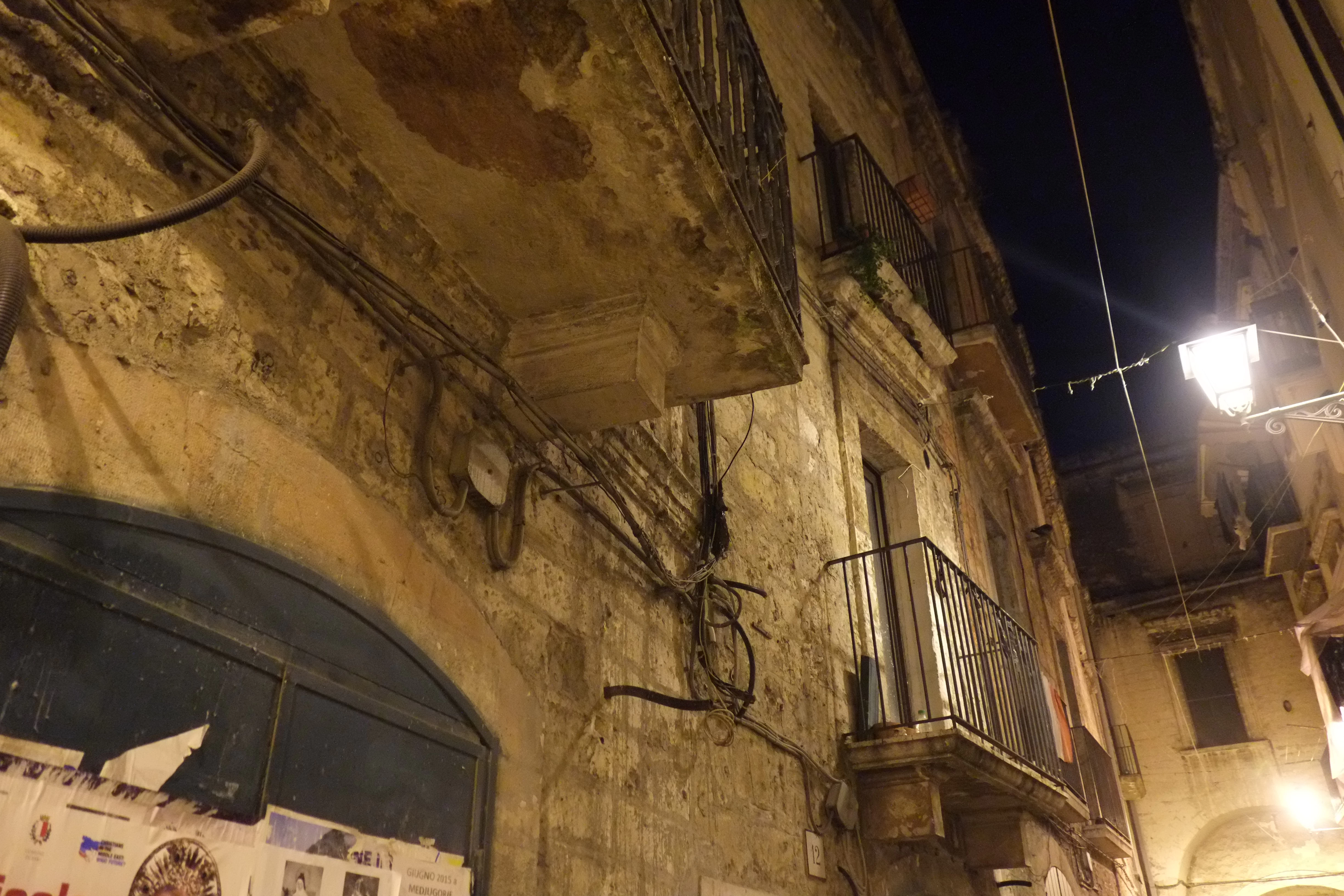
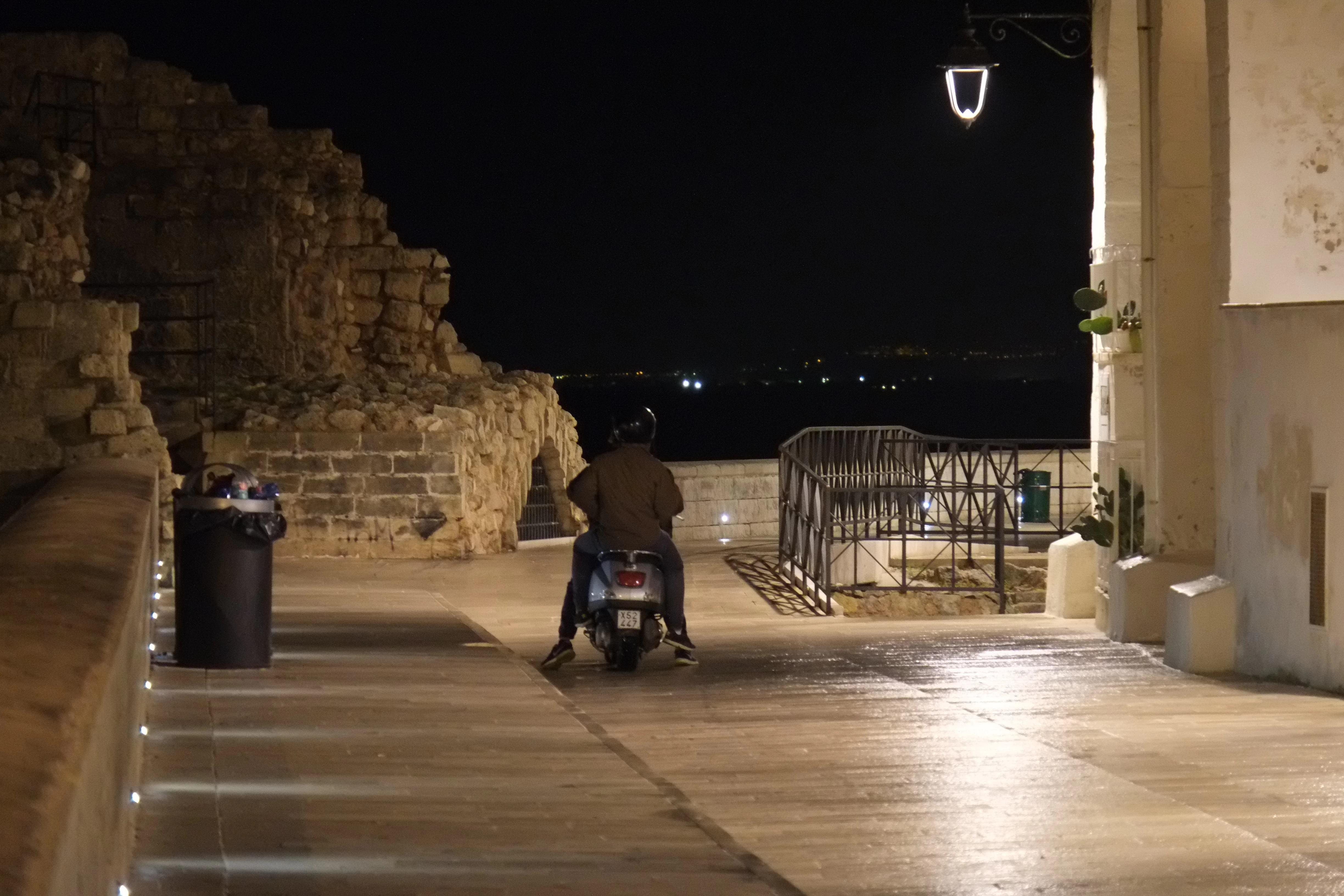
Even so I move in critical shutter speeds, and here the advantage of the two stabilized lenses showed. With the XF 16-55 without a stabilizer I occasionally held speeds around 1/15 s, but the stabilizer allowed me such speeds even with a long focal length on the XF 18-135, and some speeds left me standing in amazement (e.g. 1/6 of a second at a focal length of 122 mm).
SHARPNESS OF THE LENSES
According to available internet sources the order of sharpness is clear in advance: 1st place XF 16-55, 2nd place XF 18-55, 3rd place XF 18-135. I’m going to check.
I enlarge the photos to 100% and compare sharpness. First I enlarged photos from the ultrazoom XF 18-135 and my first impression wasn’t enthusiastic. It is sharp, but not as I would expect. Aha, so it really is worse than the two shorter ones….
So I go through the photos from the XF 18-55 and XF 16-55 one after another and change my opinion. The ultrazoom is somewhat worse, but the difference isn’t big at all. I get it, I’m simply spoiled by my primes, super sharp even „wide open„. I rummage in the archive for travel photos taken with primes, and enlarge. Again I see some difference, but not even that one is striking.

Finally it dawns on me that I’m just not used to examining pixels under a magnifier, because, as I already wrote, what interests me is how the photos turned out, not pixels.

My subjective feeling is roughly this: I see no difference in sharpness between the cheapest XF 18-55 and the most expensive XF 16-55. The ultrazoom XF 18-135 is just a hair softer, especially at fully open aperture, where a small difference between the centre and edges is also noticeable.
All of that, though, only at 100% magnification. In practice I see no limitation.
BACK TO THE ITALIAN STREETS
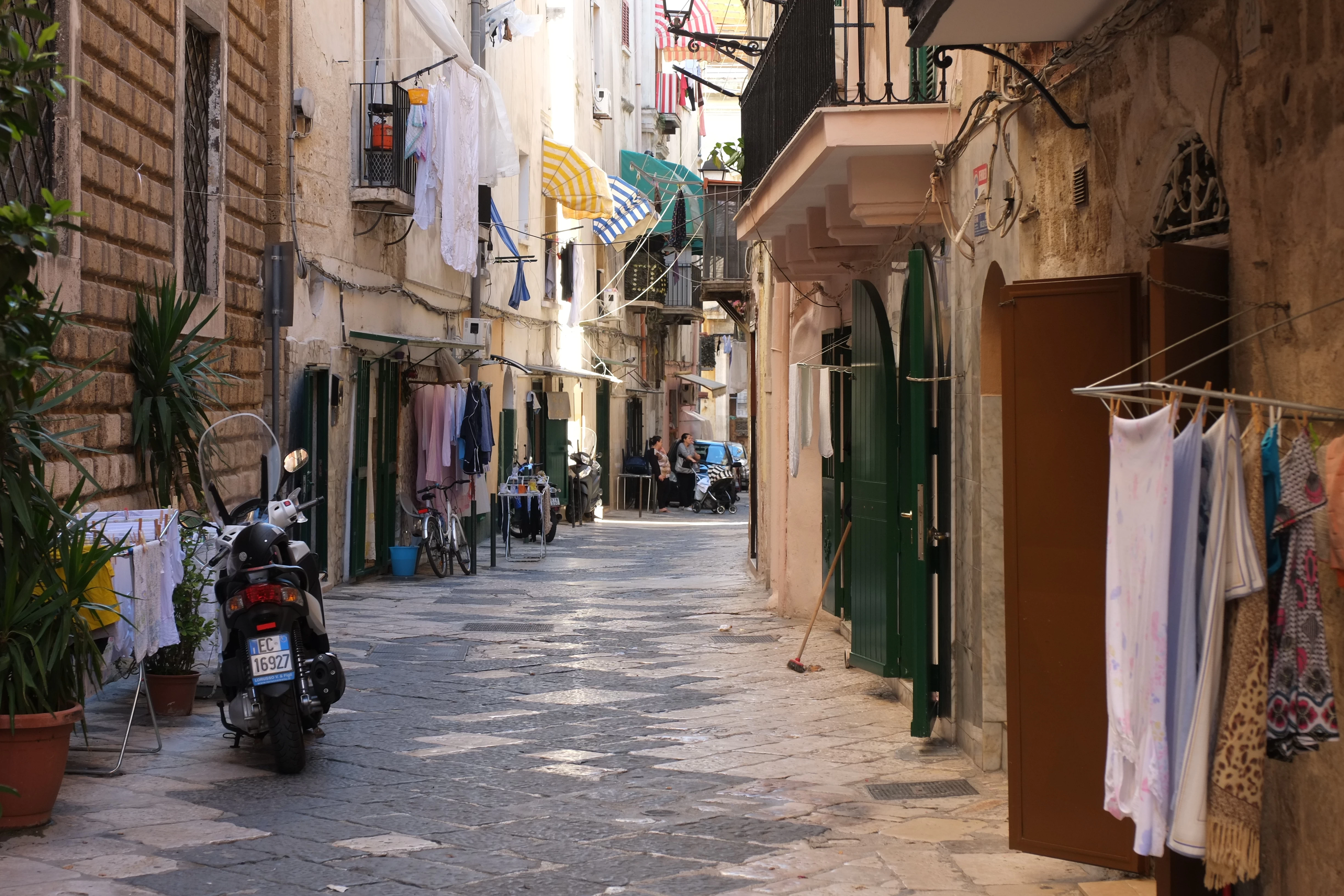
I made that jump in time on purpose, because I didn’t want to leave and am glad to return there, this time at least virtually.
I started to favour the ultrazoom heavily. I didn’t use the XF 18-55 again, and I used the XF 16-55 again only because I felt I had devoted too little to it. When I counted the photos at home, I found that I had shot 70% with the XF 18-135 and roughly 15% with each of the other two.
The combination of a large focal range and a brilliant stabilizer won me over.
CONCLUSION
Among ordinary users Fujifilm has for decades been established mainly as a maker of quality film for cameras and the largest film studios. But it has an equally long and famous tradition in producing its own optics, used in film, in the military industry or in space programmes (the prices of e.g. film lenses reach millions).
The XF lens line logically continues this tradition and, with the possible exception of the first two lenses, which I’d call averagely good, every new XF lens is an incredible temptation for the wallets of photographers all over the world. So you don’t suspect me of Fujifanaticism, e.g. Ken Rockwell likes to compare XF lenses in his reviews with the most expensive Leica lenses ($5,000 and so on).
I wouldn’t mind any one of the three tested lenses, nor all three together (but I fear I’d be wasting on two of them).
What I wrote at the beginning was confirmed:
XF 18-55 mm/F2.8-4 R LM OIS
An unbelievably successful kit lens. What favours it? The smallest investment, the smallest size and weight, photo quality comparable to the most expensive tested model (Ken Rockwell states in his review that „the Leica Summilux-M 35/1.4 ASPH is not much sharper„), a brilliant stabilizer. What may count against it? It has no protection against the weather and of all three the shortest focal range.
XF 16-55 mm/F2.8 R LM WR
The flagship among Fuji zooms. What favours it? Professional build quality in every respect, brilliant image quality (sharpness just behind the primes), speed 2.8 across the whole range, the widest angle of view (shortest focal length), weather protection. What may count against it? The higher price, size and weight, no stabilizer.
XF 18-135 mm/F3.5-5.6 R LM OIS WR
An excellent ultrazoom. What favours it? Mainly the focal range of 18 to 135 mm, then the fantastic stabilizer, weather protection and last but not least the price. What may count against it? Slightly lower sharpness at fully open aperture, lower speed, made in China (why?).
For comparison, here is a table too:
| XF 18-55mm F2.8-4 | XF 18-135mm F3.5-5.6 | XF 16-55mm F2.8 | |
|---|---|---|---|
| Dimensions | 65×70 mm | 76×98 mm | 83×106 mm |
| Weight | 310 g | 490 g | 655 g |
| Filter diameter | 58 mm | 67 mm | 77 mm |
| WR protection | NO | YES | YES |
| Optical stabilization | YES (4 EV) | YES (5 EV) | NO |
| Shortest focal length | 18 mm | 18 mm | 16 mm |
| Longest focal length | 55 mm | 135 mm | 55 mm |
| Zoom | 3.1x | 7.5x | 3.4x |
| Speed | F2.8 – 4 | F3.5 – 5.6 | 2.8 |
| Min. distance | 40 cm | 45 cm | 30 cm |
| Max. magnification | 0.15x | 0.27x | 0.16x |
| Aperture blades | 7 | 7 | 9 |
| Made in | Japan | China | Japan |
| Price | 18,900 CZK | 23,900 CZK | 32,900 CZK |
You have to choose for yourself. Owning all three makes no sense; there can be only one winner. My personal one surprisingly turned out to be the originally outsider, the ultrazoom Fujinon XF 18-135 mm/F3.5-5.6 R LM OIS WR.
Once more the reasons: range 18-135 mm, weight 490 g, price 23,900 CZK. For comparison, if I wanted to cover this focal range with „red XF“ lenses, I’d buy the XF 16-55 mm/F2.8 R LM WR and the XF 50-140mm f/2.8 R LM OIS WR. The total range of both lenses would be 16-140 mm, weight 1650 g and price 71,800 CZK. Given that I don’t need such a zoom professionally, it is for me a needless investment and weight I wouldn’t want to drag around, regardless of size.
You’ll find more photos in the article Lost in Monopoli.
Have a nice day 🙂
Fujinon lenses at FotoŠkoda