This page was translated by AI. Please be forgiving of any mistakes.
‹ Photo Notes · 25 října, 2014
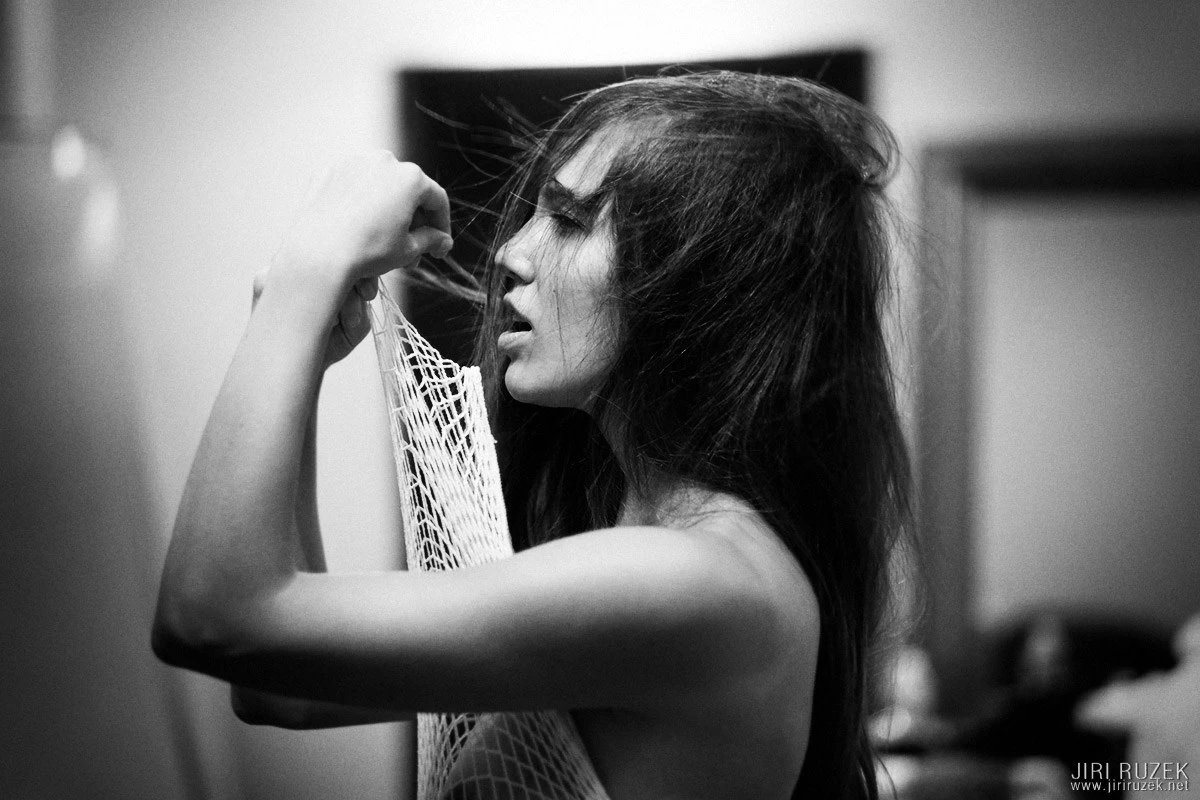
Photography is the art of looking, seeing and capturing. Right now and right here. An unrepeatable moment, chance, an intervention of a higher power, the mood of the photographer and of the photographed objects – these are factors that cannot be foreseen or planned, but you can see them and make use of them.
Years ago I complained to somebody that I had photographed an interesting scene, but it turned out very badly technically. I got the advice to simply shoot it again. I objected that it was impossible, yet I tried, and the new photographs were technically good and good in other ways too, but they were different. What I had photographed the first time was long gone and I didn’t manage to stage it again.
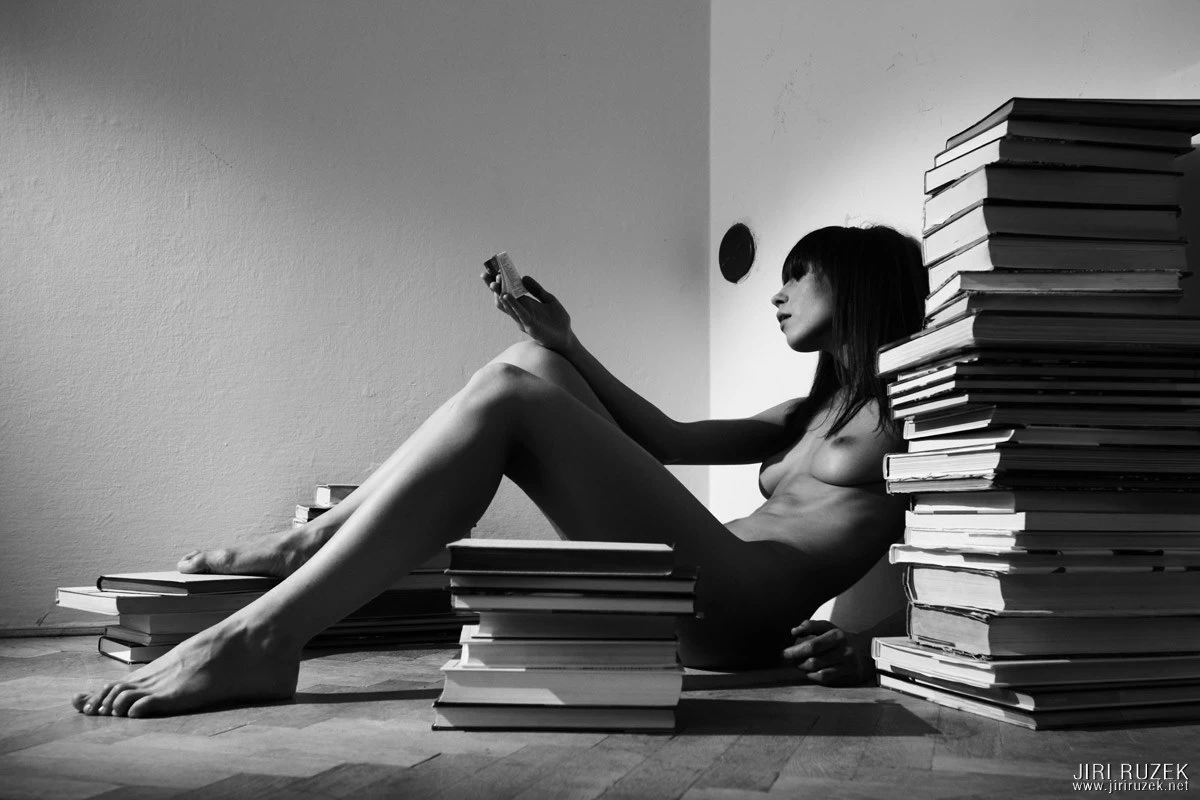
Why am I talking about this?
One reason is that people often ask me whether my photographs are the result of a plan, a concept, or whether they just happen. I always answer that it doesn’t matter, because even when I have a vision and an exact plan, it will turn out differently anyway. Sometimes only the mood of the photo differs, other times I abandon the original intention entirely and photograph something completely different.
The very word concept evokes contradictory feelings in me, especially in connection with photographing models. At a fashion workshop in Poland that ran parallel to mine, the photographers were constantly told they must have a concept. Yet models were photographed there against a paper background, without props etc. As a result I saw a number of good photographs, but to speak of a concept in such conditions? In one the model had a hand behind her head, in another under her chin, once she was hunched, another time straight as a candle. That surely isn’t a concept. But that is a different topic, even though my fingers are itching already … maybe some other time.
The main reason why I’m writing this I actually described briefly at the very beginning of the article.
Devote yourself fully to the process of photographing, don’t think about the result
And don’t think about anything else at all. Look attentively, see and shoot. The magical effect of concentrating on the given moment, on what you are doing right now, is no secret and doesn’t concern only photography; it runs across all our activity. Perhaps films about Asian martial arts come to mind, but in various formulations you’ll find this recommendation in all the world’s teachings, including Buddha and Jesus (I’m speaking of teachings, not religions). But back to photography itself.
How do you know you are fully devoted to the image in the viewfinder?
Has it ever happened to you that you photographed a concert of a favourite band, brought home plenty of splendid photos, but didn’t enjoy the concert itself at all? It has to me, several times. While shooting I knew which song they were playing, that now there’s a solo etc., but I perceived the visual experience in the viewfinder far more than the performance of my favourites. A similar thing can happen on holiday and anywhere else. That is in fact also the answer to non-photographers‘ questions about what I see, ponder and how I enjoy myself while photographing. I mostly enjoy the image, and from what happens in reality (looking outside the viewfinder) I get almost nothing.
I know it sounds perfectly obvious to everyone, but photography simply requires the ability to look, observe and perceive extraordinarily. In our consumer way of life, though, we often manage to forget it. When reading a book we perceive words and sentences. That’s fine. But try sometimes to look at individual letters and perceive their shape, smooth edges and the way the ink is applied to the paper. And look at the paper too, its colour and the structure of its pores. When you climb a hill, don’t look only into the distance as far as you can see, but try to perceive everything around you, say the grass or fallen leaves. Really perceive them and become aware of the feeling of that perception.
„I close my eyes in order to see.“ Paul Gauguin
What is it good for?
Already in the article The most common mistake when photographing people I wrote that the technique of the camera and lighting must become routine and must not distract you from shooting, because if we want to regard photography as an art form, our eye should at that moment become our main artistic instrument and the camera merely a means of creating the work. In other words – the viewfinder is just the canvas, the eye is the painter. And I surely needn’t explain that the best state for creating an artistic work is a kind of state of trance (again across artistic fields, not only in photography). And for that we need calm.
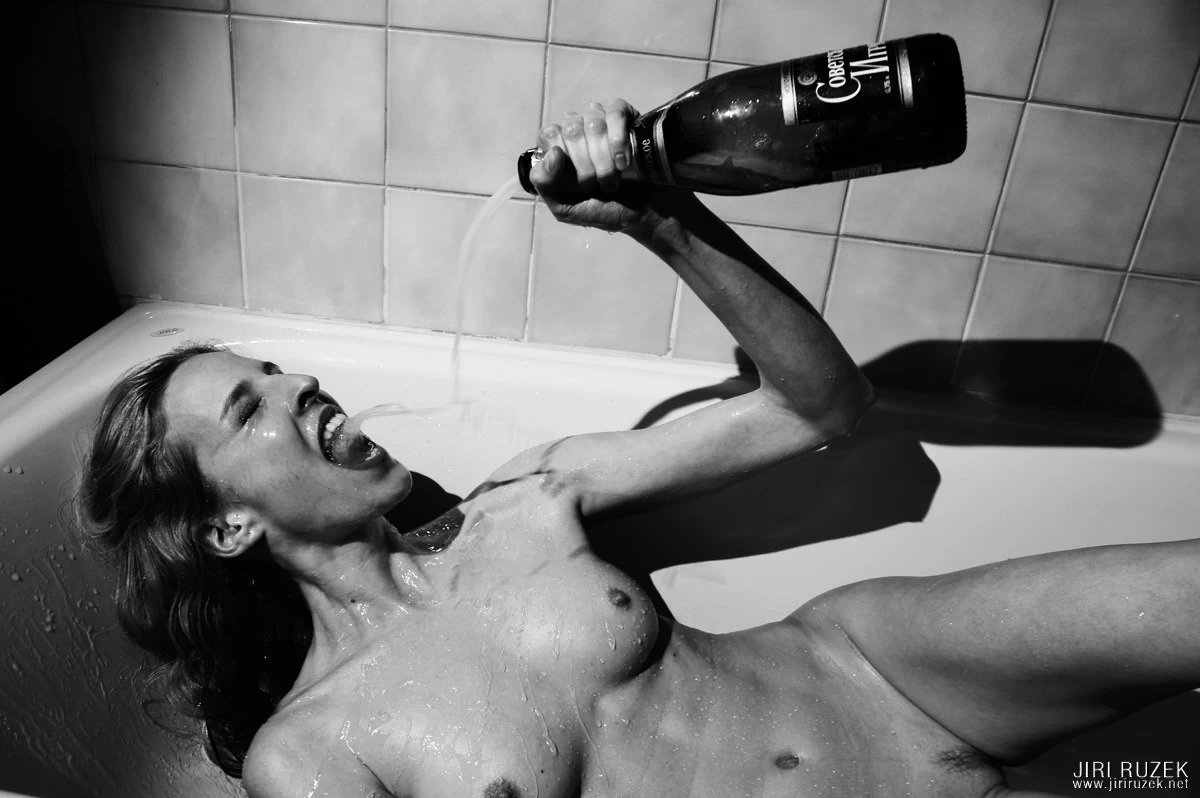
Dwelling excessively on technique leads us away from the most important thing, just like thoughts about what was yesterday or what I have to do tomorrow. Devote those few minutes or hours when you shoot only to the image in the viewfinder, perceive in it beauty, calm, harmony, but also disharmony and unrest. Your reward will be a better result and, on top of that, a splendid feeling from shooting.
The only distraction you can, indeed must, allow yourself when photographing people is constant communication with them. It needn’t be verbal, just show that you’re in it together and that you enjoy it. More about that in the above-mentioned article about that common mistake …
If you’ve read this far, one more warning – although in today’s article I draw on the wisdom of many others, I must repeat the sentence I say at every workshop: all my ‚you must‘ and ‚you must not‘ statements are just my view of things and it is up to you how you arrange things. Many others do everything completely differently and perhaps far better. So don’t take it all that seriously 🙂